
Land use transition
Tairāwhiti's landscape is being scarred by major weather events, so we developed a business case for land use change.
Tairāwhiti's rugged and fragile slopes can't support traditional forestry.
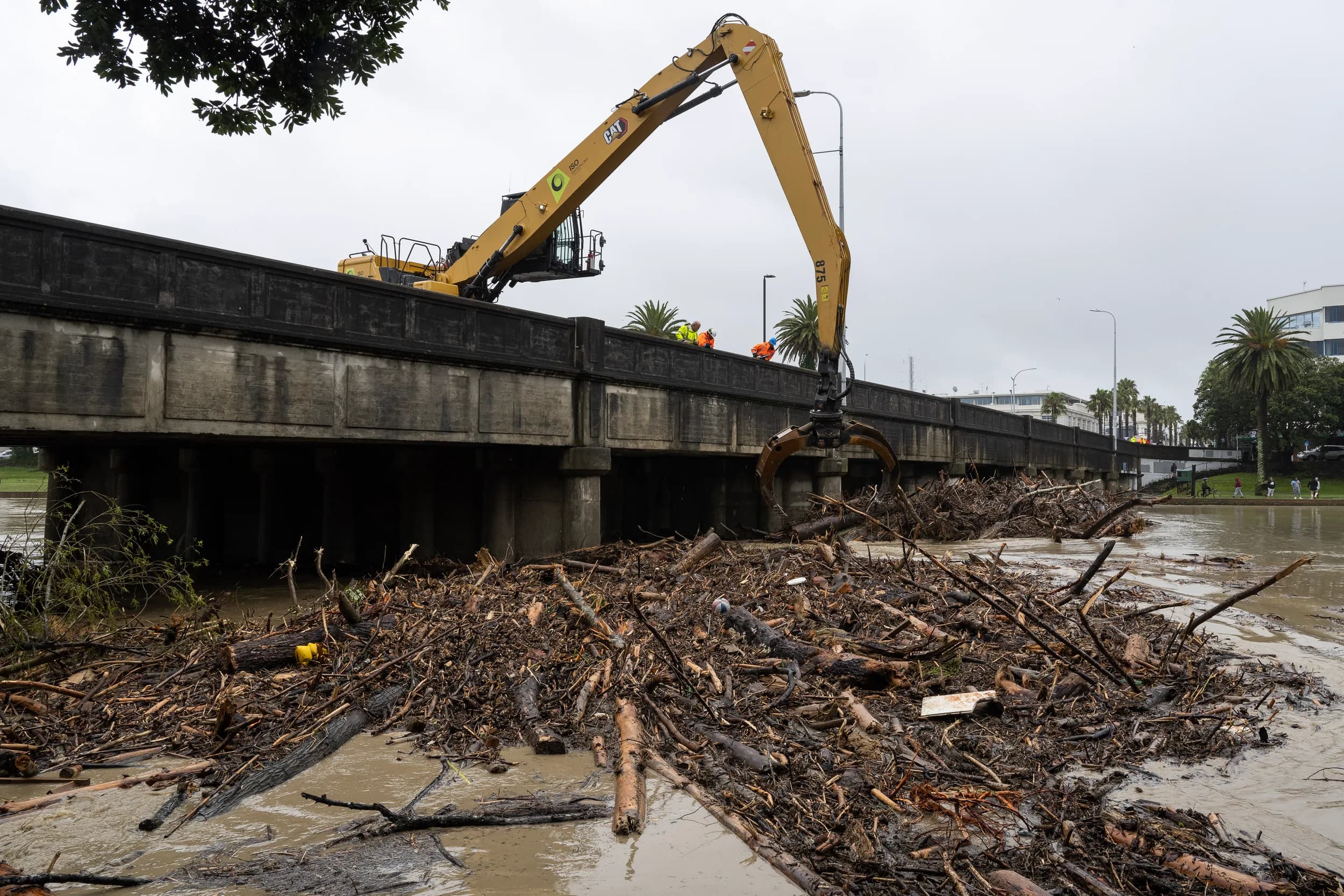
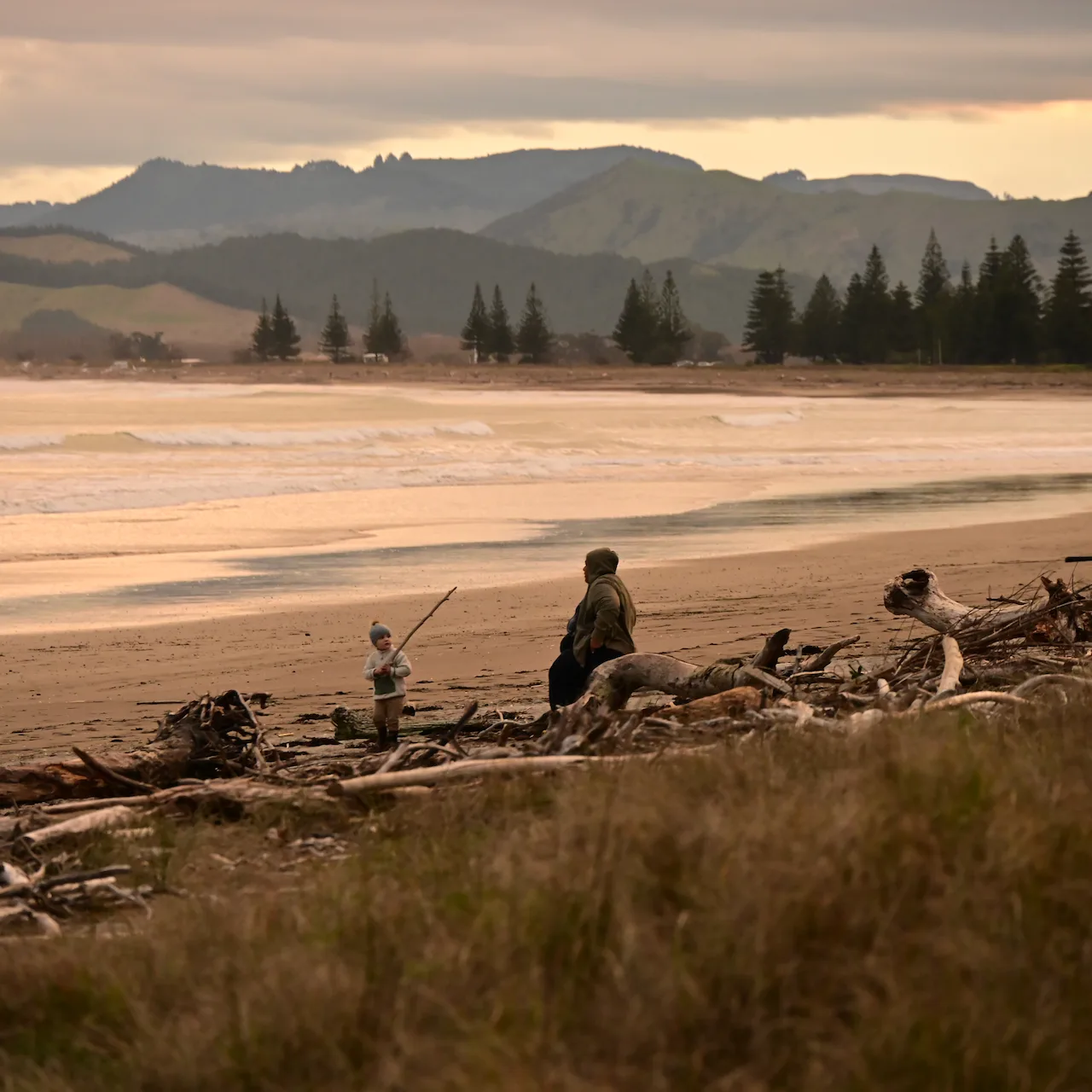
Everyone has seen the pictures: rivers and beaches covered in forestry slash following major events like Cyclone Gabrielle. This is the result of decisions made decades ago to plant commercial tree crops in an effort to stabilise fragile and unstable hillsides. But the approach isn't sustainable, so we had to make the case for land use change, at scale, across the whole region.
Building on existing work
The Gisborne District Council had already created the Transition Advisory Group to provide cross-sector guidance on how to address the region-wide challenges. So we extended their brief to help develop a business case to central government for land use change.
Seeting out a vision for the future
In a series of highly participatory workshops, we worked through the options and approaches for how the future can be different in Tairāwhiti. This included how we can use the 100,000ha of vulnerable land, and what is needed to transition to a more sustainable region – both environmentally and economically.
Hearing all the voices
Forestry is an important industry in Tairāwhiti, and its structure is influenced by factors outside the region – such as the international log price and the Emissions Trading Scheme. So we made sure that everyone was at the table and all voices were heard, throughout the process.
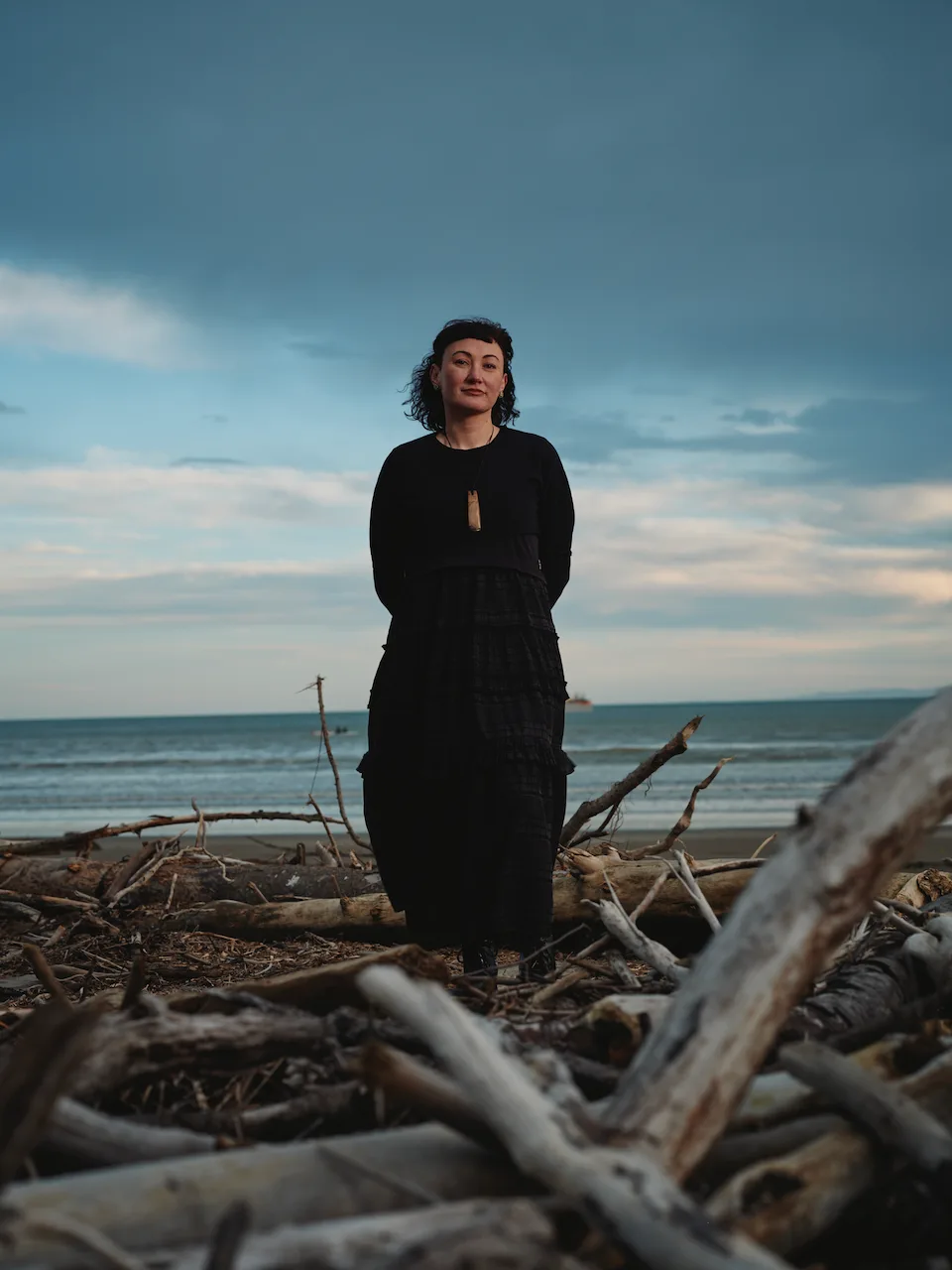
We facilitated kōrero and built consensus throughout the process.
The result of the work is a business case to central government for co-investment, which reflects not only the ideas of the region but also the consensus from a wide range of sectors – foresters, environmentalists, iwi, farmers, regulators – that the transition programme is the right approach and can be delivered by Tairāwhiti.
It's a highly readable document that unequivocally makes the case for regional and national funding of the transition programme – and which does so by drawing on the knowledge and experience of people across Tairāwhiti.
Importantly, the business case provides the evidence and analytical foundation for ongoing discussions with political leaders of all parties about the need for a long-term programme of land use change. It makes the case for change, whilst setting out a decades-long pathway to get there.
The land use transition business case has been widely endorsed across the forestry, environmental and regulatory sectors, and the first stages of the programme are now in development as initial Crown funding is committed. Much work remains to be done to set out the sustainable pathway to the future for Tairāwhiti's vulnerable land, but work – collaborative, engaged, and with everyone at the table – is continuing.
More from this sector
All projects
Funding review for flood protection
Waikato Regional CouncilFlood protection is becoming more important in a climate-changing world, and we need to fund it equitably.
View case study
The case for a harbour at Ōpoōtiki
Ōpōtiki District CouncilWe developed the detailed business case for construction of a harbour to support the aquaculture sector in the Eastern Bay of Plenty
View case study
Redeveloping the Sarjeant Gallery
Whanganui CouncilWe developed the detailed business case for the redevelopment of Aotearoa New Zealand's premier regional art gallery, the Sarjeant in Whanganui
View case study