
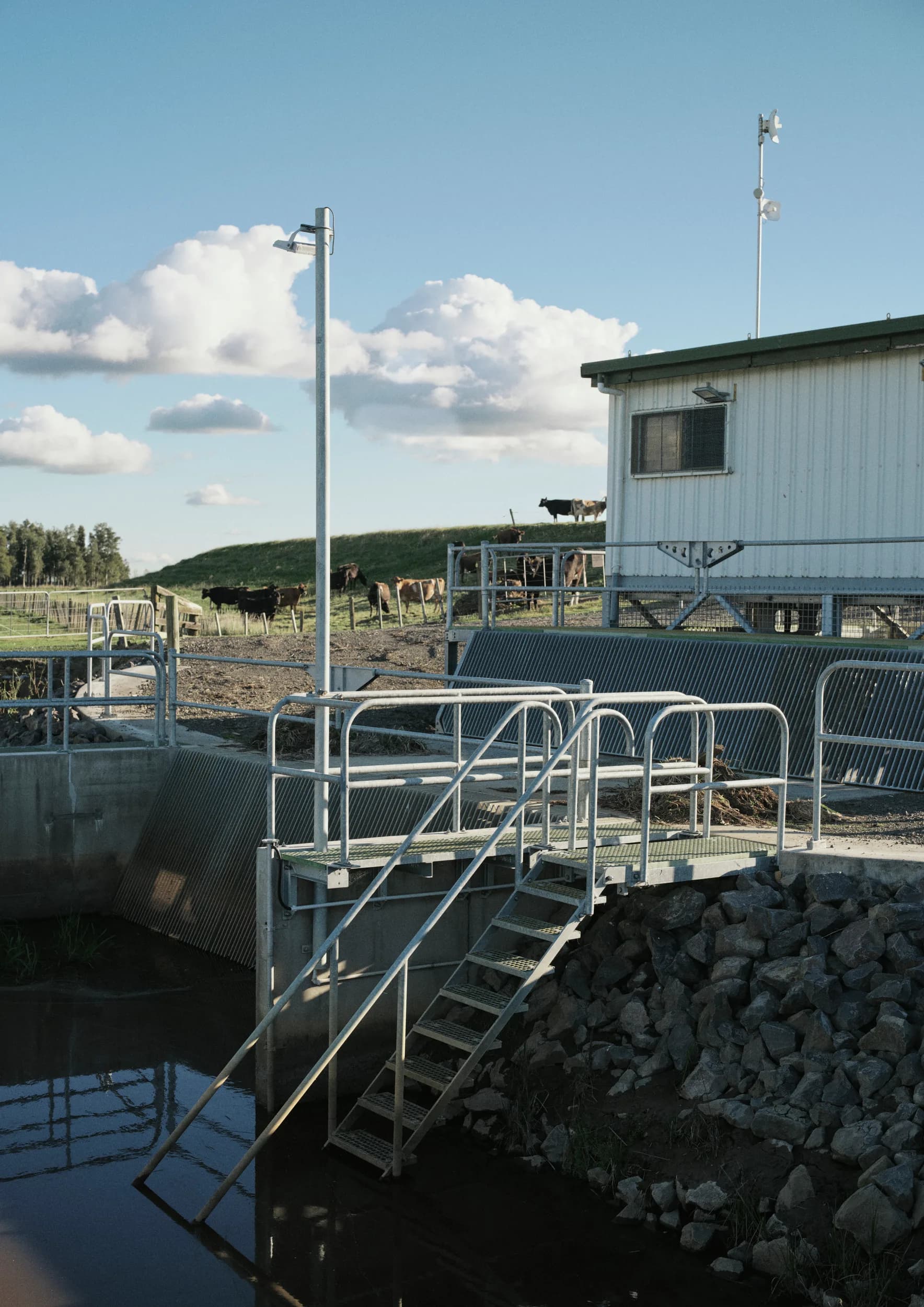
Funding review for flood protection
Flood protection is becoming more important in a climate-changing world, and we need to fund it equitably.
Flood risk is growing and funding protection is getting harder.
As climate change gathers pace, the need to upgrade essential flood risk resilience projects grows – nowhere more critically than in the Waikato, which is an agricultural and economic powerhouse for the nation. Yet the ability of ratepayers to fund the necessary initiatives is becoming challenging, so Waikato Regional Council instituted a review of its funding for flood protection and drainage to ensure it is sustainable and equitable into the future.
Understanding the challenges
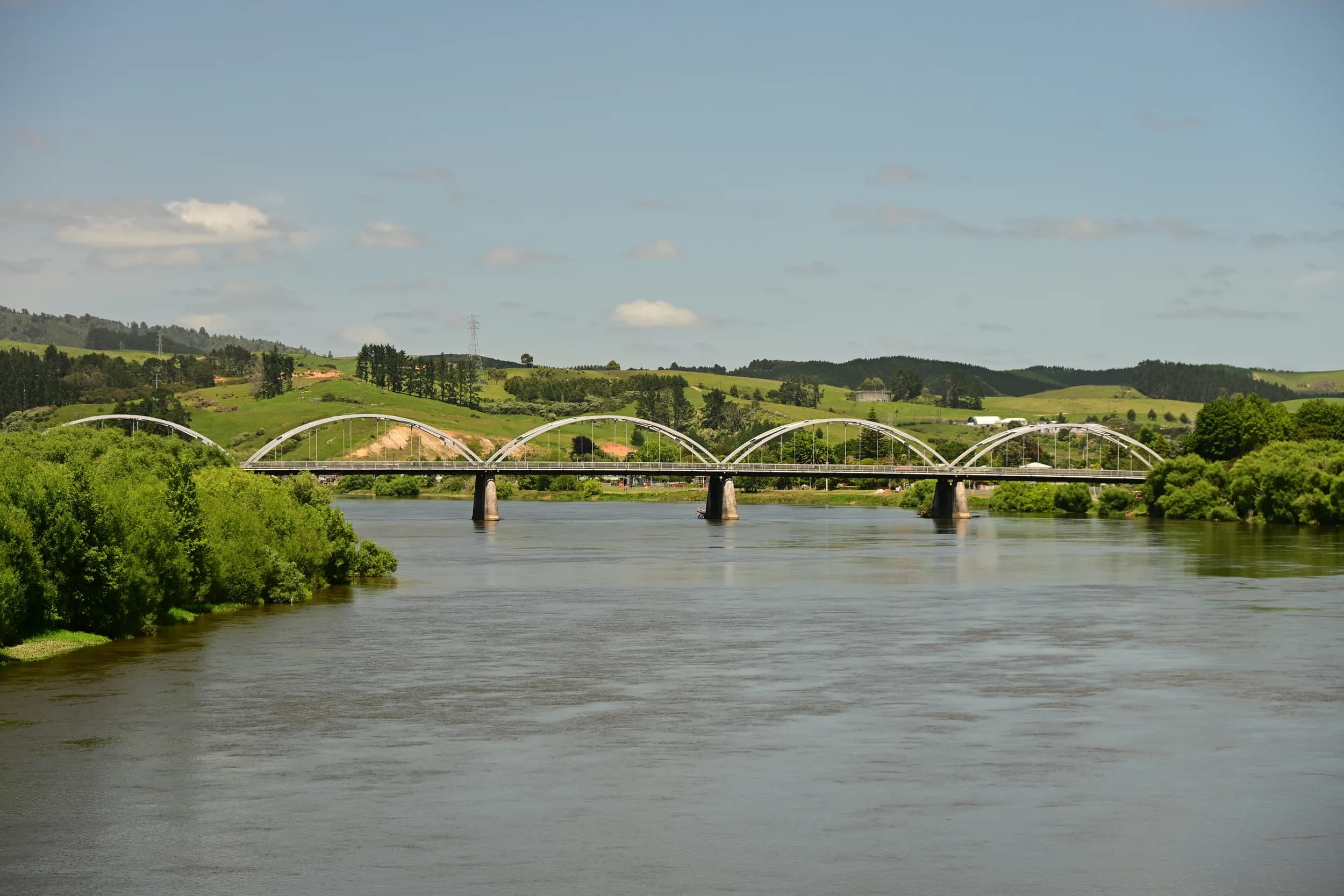
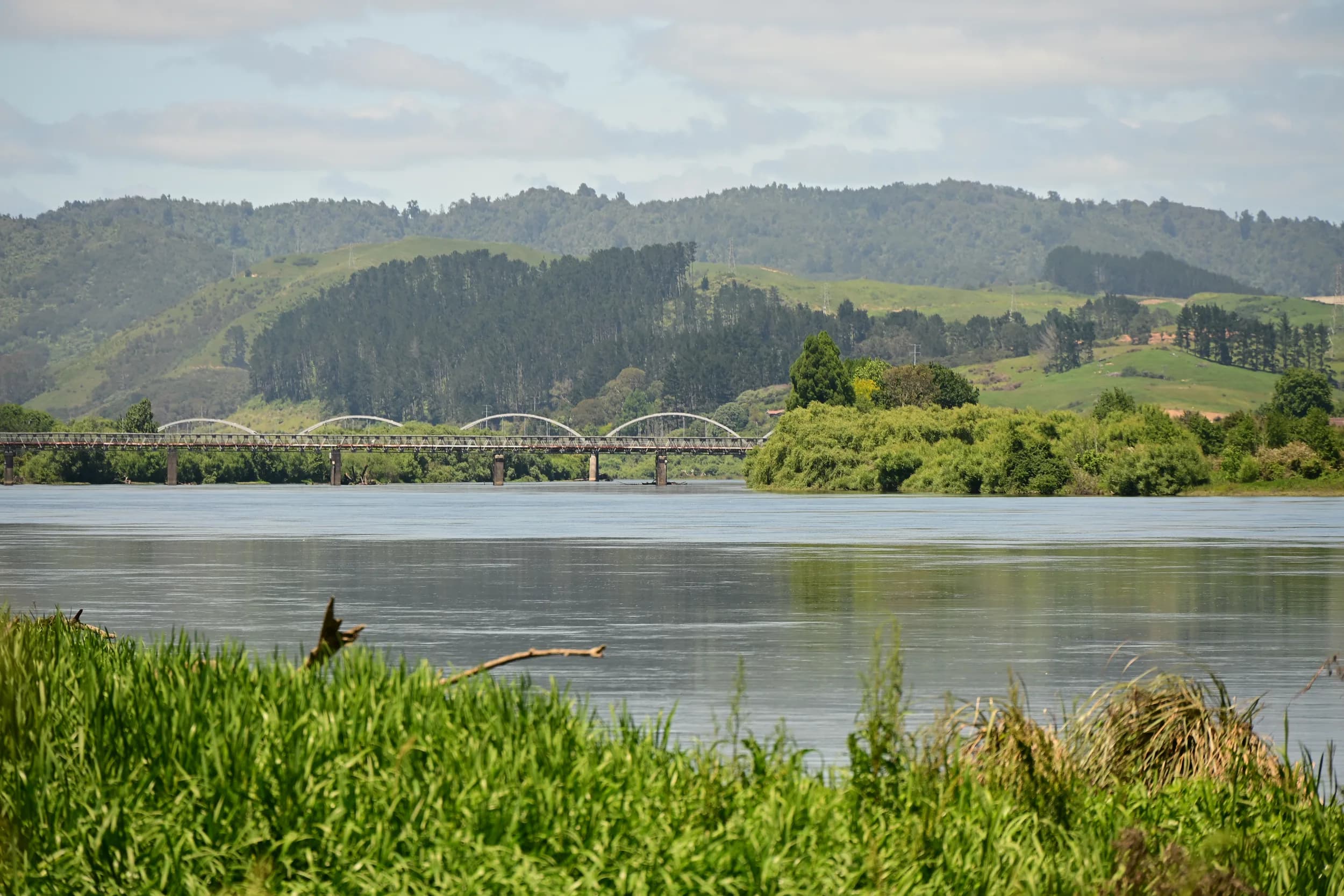
Flooding is the most serious risk much of the Waikato faces, and more protection is needed across the region as climate change challenges grow. This means higher costs in coming decades, with the question of financial sustainability for communities.
Determining equity
Working with the Toha Network and Tonkin+Taylor, we developed an equity-based approach to assess where the costs and benefits of flood risk resilience occur. For instance, flooding not only damages assets and infrastructure – it also impacts health, social connectedness, educational outcomes, and much more. So we mapped these economic and social outcomes across the region.
Setting out the roadmap
Funding and rating for flood protection and drainage is complex in a region as large as the Waikato, so we set out the roadmap for how we make changes to the current model – including looking at non-traditional sources of revenue to help take the pressure of ratepayers.
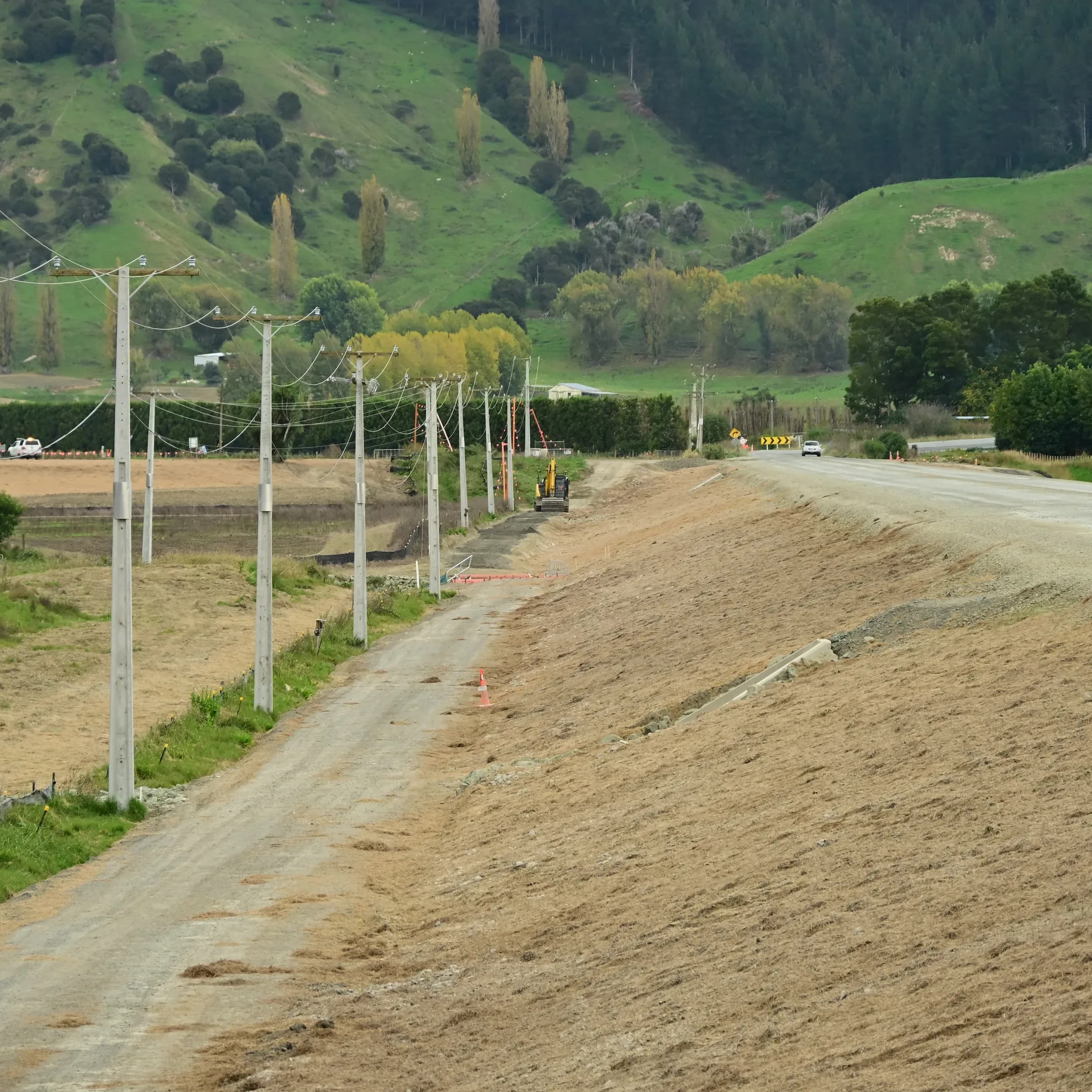
We balanced the human and the technical.
Conducting the equity analysis – informed by international research literature – was a very technical process, supported by detailed cost-benefit and social return on investment methodologies. But we never lost sight of the fact that decisions about flood risk resilience happen at the human scale, and must be funded with the support of people and businesses across the region.
So we balanced the technical and the human, checking in with teams across Waikato Regional Council, integrating the analysis with other relevant work occurring in the sector, and validating the ideas and approaches with elected members as we went along.
As is the case with so many of our other documents, the resulting report is highly readable. It's designed to help non-technical readers understand the issues and the solutions, and explain complex issues of valuations and equity assessments in a way that makes sense for the people of the Waikato and beyond.
The first stage report – setting out the equitable approach to funding flood resilience and drainage – was accepted by the Waikato Regional Council in June 2026. Work is now underway on the pilot phase, translating the principles into a revised funding approach for the Hauraki catchment, with recommendations expected in mid 2027.
More from this sector
All projects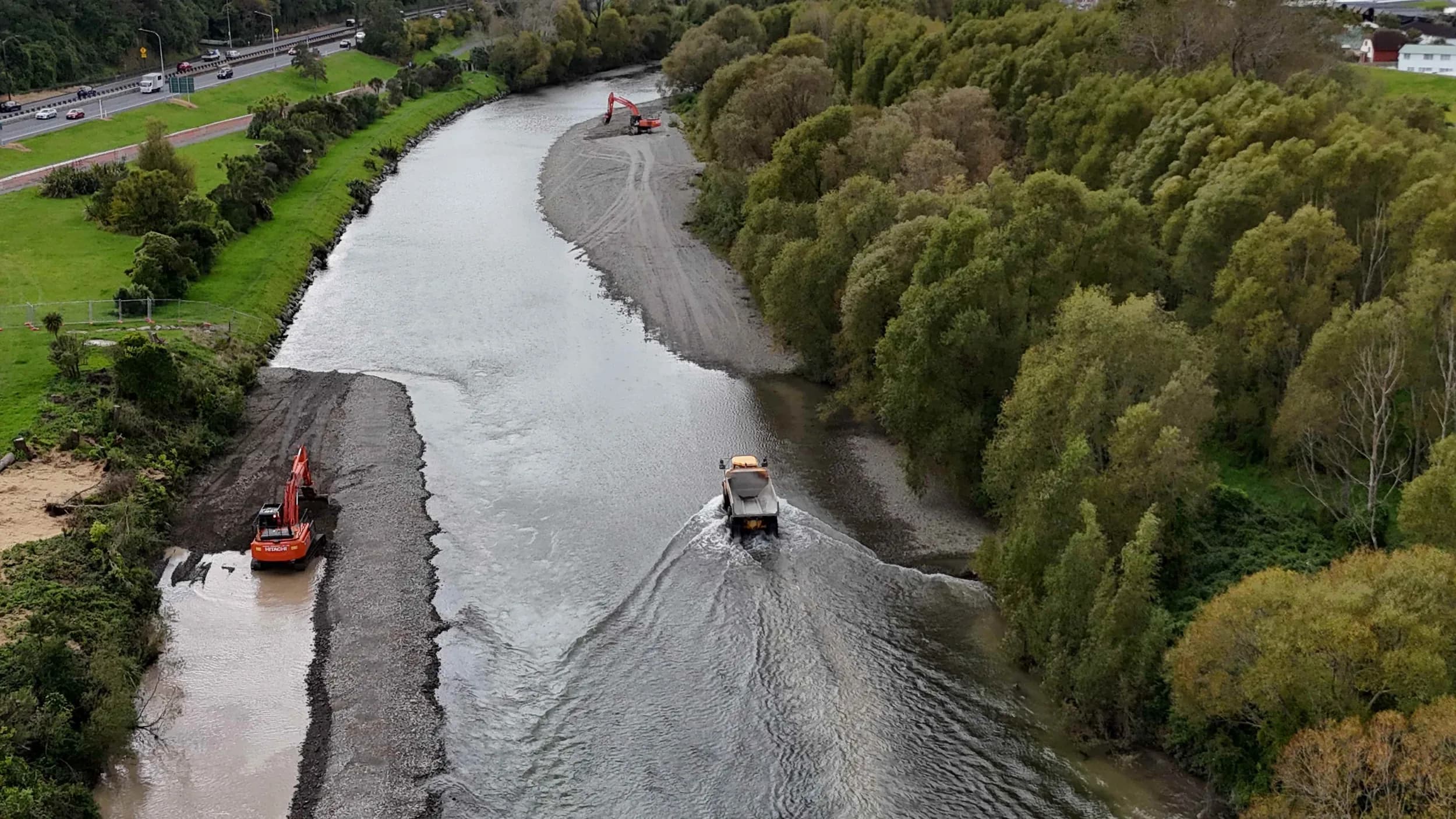
Before the Deluge
Te Uru KahikaWe made the case for co-investment between central and regional government to protect communities and businesses from catastrophic flooding.
View case study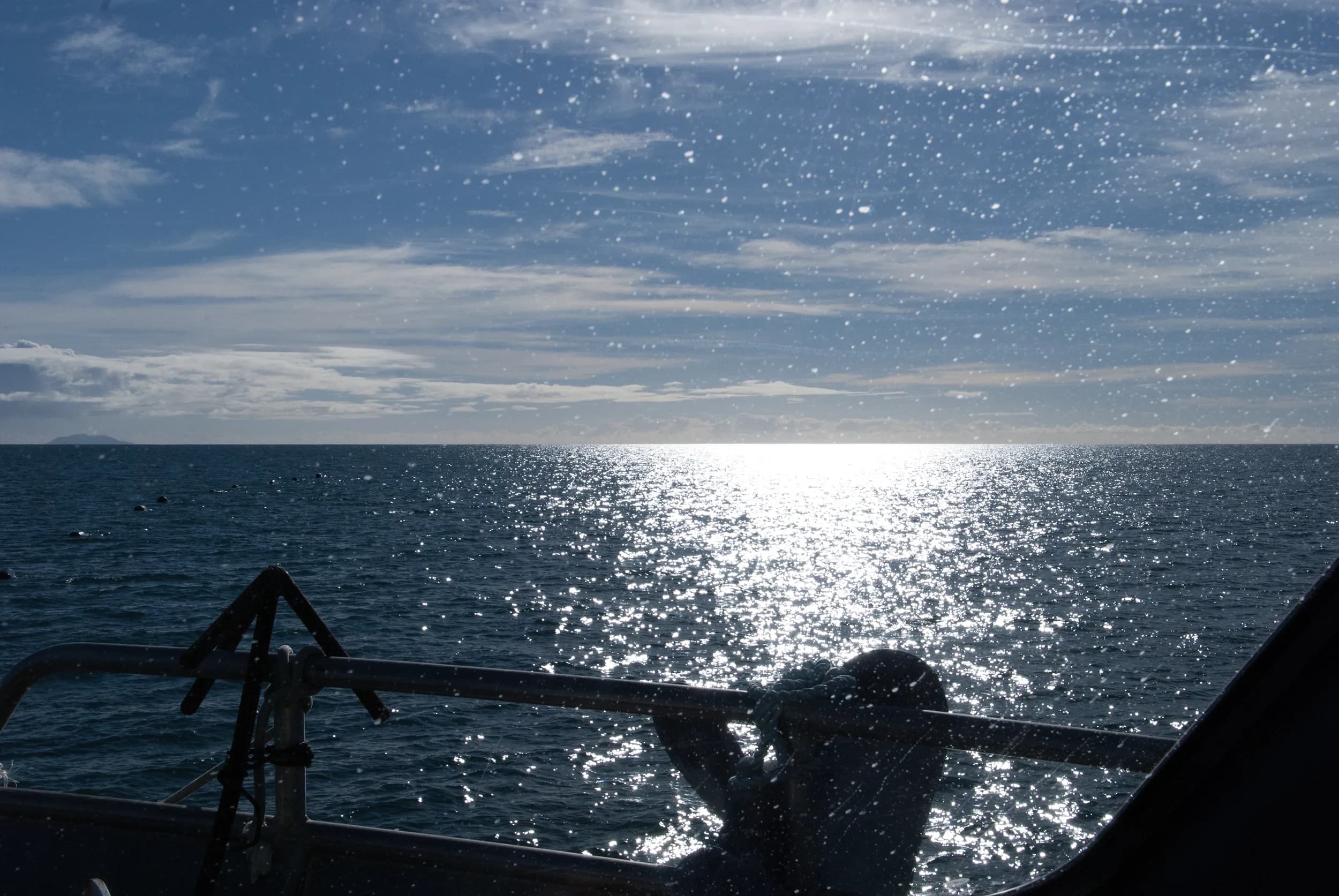
The case for a harbour at Ōpoōtiki
Ōpōtiki District CouncilWe developed the detailed business case for construction of a harbour to support the aquaculture sector in the Eastern Bay of Plenty
View case study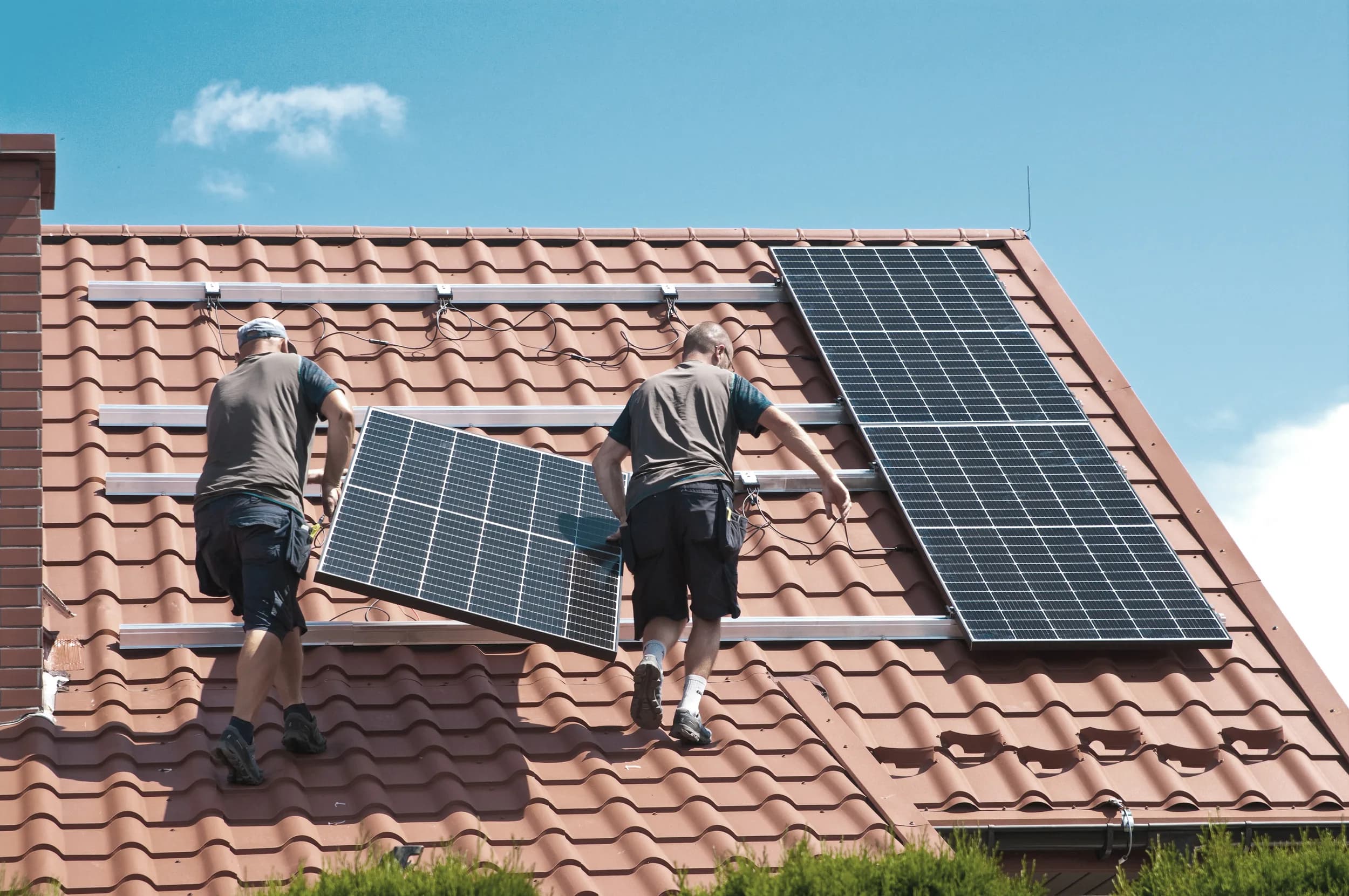
Energy mana motuhake: the Tairāwhiti Distributed Energy Programme
Toitū TairāwhitiWe developed the feasibility study for implementing a community-level distributed energy programme
View case study