
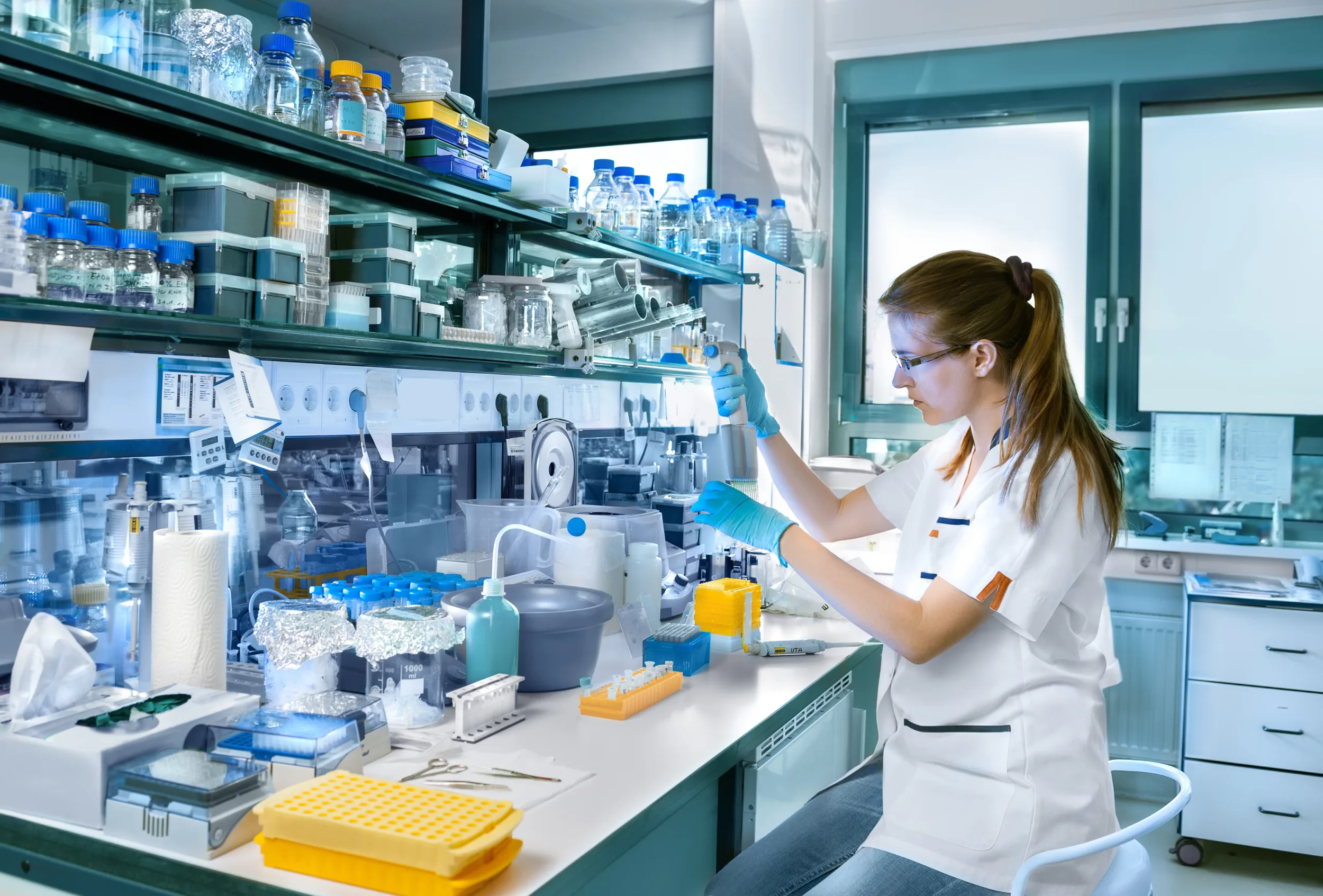
A staged, competitive process to shape regional research investment
We supported a structured national process to identify, test and develop proposals for new regional research institutes, moving from early engagement through to full business case development and final selection recommendations.
Despite overall national growth, significant regional disparities in economic performance persisted.
New Zealand’s regional economies continue to show persistent and long-standing disparities in economic performance, productivity and income levels. While some regions have experienced strong growth, others remain constrained by structural factors including industry concentration, limited firm scale, and exposure to external shocks such as commodity price volatility and climate events.
These conditions are particularly pronounced in regions with high dependence on primary industries, where opportunities for higher-skilled employment and diversification into higher-value activities remain limited. As a result, some communities continue to experience lower household incomes, higher unemployment, and reduced access to knowledge-intensive roles that drive long-term economic resilience.
Against this backdrop, there is a clear challenge in how to strengthen regional innovation capacity and support more diversified, high-value economic activity. This includes considering the role that regional research institutes can play in improving productivity, enabling knowledge transfer, and supporting more balanced and resilient regional development outcomes.


The scope of this programme business case we developed was to develop the best value for
money option for establishing 1-3 regional research centres around New Zealand that will be-
come financially self-sustaining over the next decade, whilst helping realise
the Government’s goals of increasing business R&D and improving regional
development.
More from this sector
All projects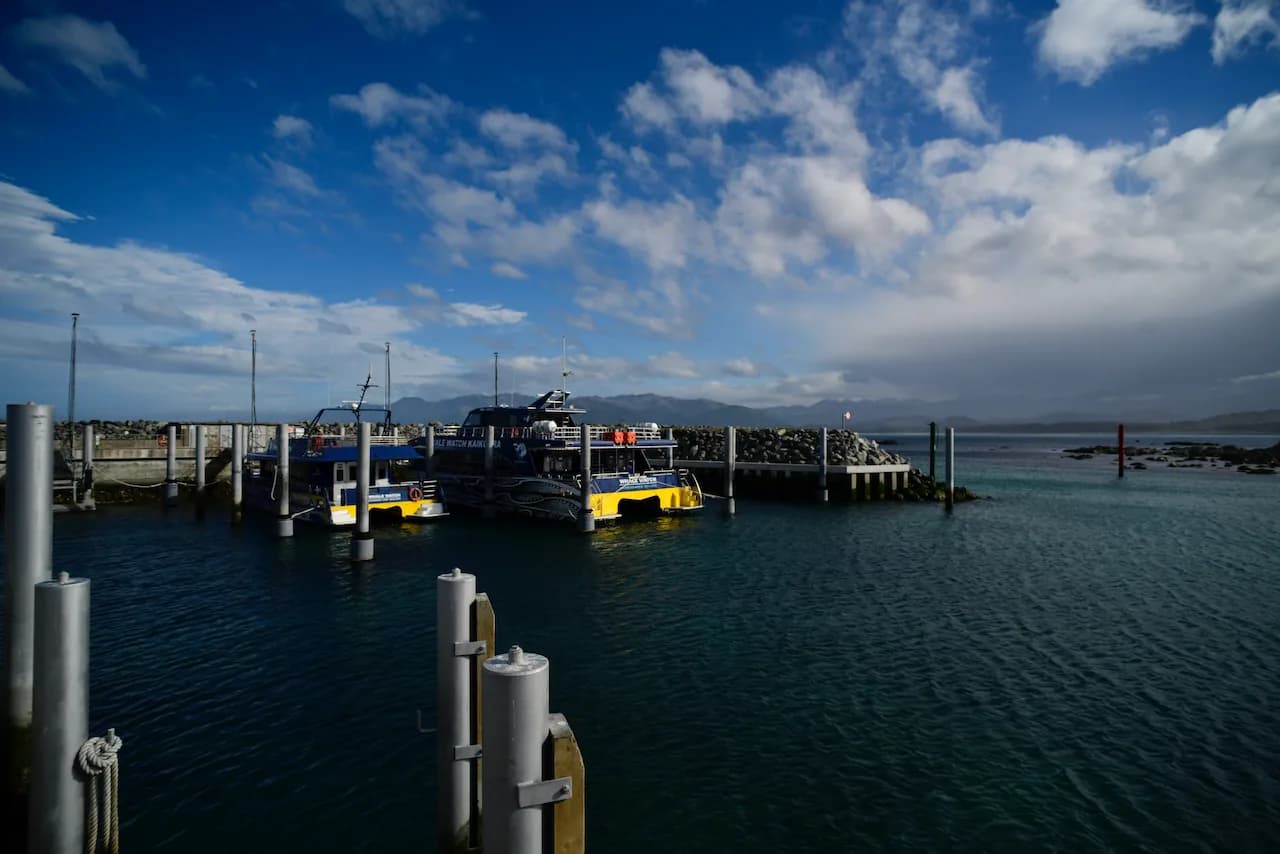
Rebuilding for the future
Kaikōura District CouncilThe harbour at Kaikōura can't support the aspirations of the tourism or marine research sectors, so we developed a business case for re-investment.
View case study
Biosecurity and prosperity: the Plant Health Environment Lab
Ministry for Primary IndustriesMPI's lab is a vital component in our national biosecurity and our economic prosperity.
View case study
The case for a harbour at Ōpoōtiki
Ōpōtiki District CouncilWe developed the detailed business case for construction of a harbour to support the aquaculture sector in the Eastern Bay of Plenty
View case study