

Biosecurity and prosperity: the Plant Health Environment Lab
MPI's lab is a vital component in our national biosecurity and our economic prosperity.
The country's biosecurity rests on scientific rigor.
The Plant Health Environment Lab is our best defence against unwanted and dangerous plant pests and diseases, and needs the capability to conduct scientific analysis quickly and accurately.


The scale of the challenge wasn't obvious.
Much of our economy depends on the primary sector, and in a globalised world the threats from introduced pests and diseases are growing – and the impacts from biosecurity incursions can easily run into the tens of billions of dollars.
The Lab required large-scale reinvestment.
To cope with the growing diversity of the primary sector and the increasing number of challenges, the Lab needed to grow. That meant more space, additional resources, and significant capital and operational investment to support fast and accurate identification of pests and diseases.
We needed to look at all the options.
Simply expanding the Lab was the obvious solution – but given the scale of investment, we needed to look at all the options, including assessing whether the same functions could be performed elsewhere. Our options analysis was thorough and detailed, and showed that expanding the Lab was not only the lowest-cost solution, it was also the lowest risk approach.
We tested every option against cost, risk and national priorities.
We developed a robust investment case to determine the best pathway for the future of the Plant Health and Environment Lab, balancing the need for increased scientific capability with value for money and long-term biosecurity outcomes.
We began by assessing the drivers for change, including the growing complexity of biosecurity threats, increasing demands on laboratory capability, and the need for a fit-for-purpose facility to support New Zealand’s primary sector.
We undertook a comprehensive assessment of options, testing whether the Lab should be expanded, relocated, or whether alternative approaches could deliver the required capability. Each option was assessed against key criteria, including cost, risk, operational effectiveness and alignment with national biosecurity priorities.
Working alongside MPI and technical specialists, we developed the evidence base required to support investment decisions, including analysis of capital and operational requirements, risks and implementation considerations. This provided a clear, evidence-based pathway for the redevelopment of the Plant Health and Environment Lab.
After much deliberation, approval was given in 2024 for redevelopment of the PHEL to commence, reflecting the strategic importance of the facility to our biosecurity and economic wellbeing. Construction is now underway, and the sophisticated new facility is expected to open in 2029.
More from this sector
All projects
A staged, competitive process to shape regional research investment
Ministry of Business, Innovation, and EmploymentWe supported a structured national process to identify, test and develop proposals for new regional research institutes, moving from early engagement through to full business case development and final selection recommendations.
View case study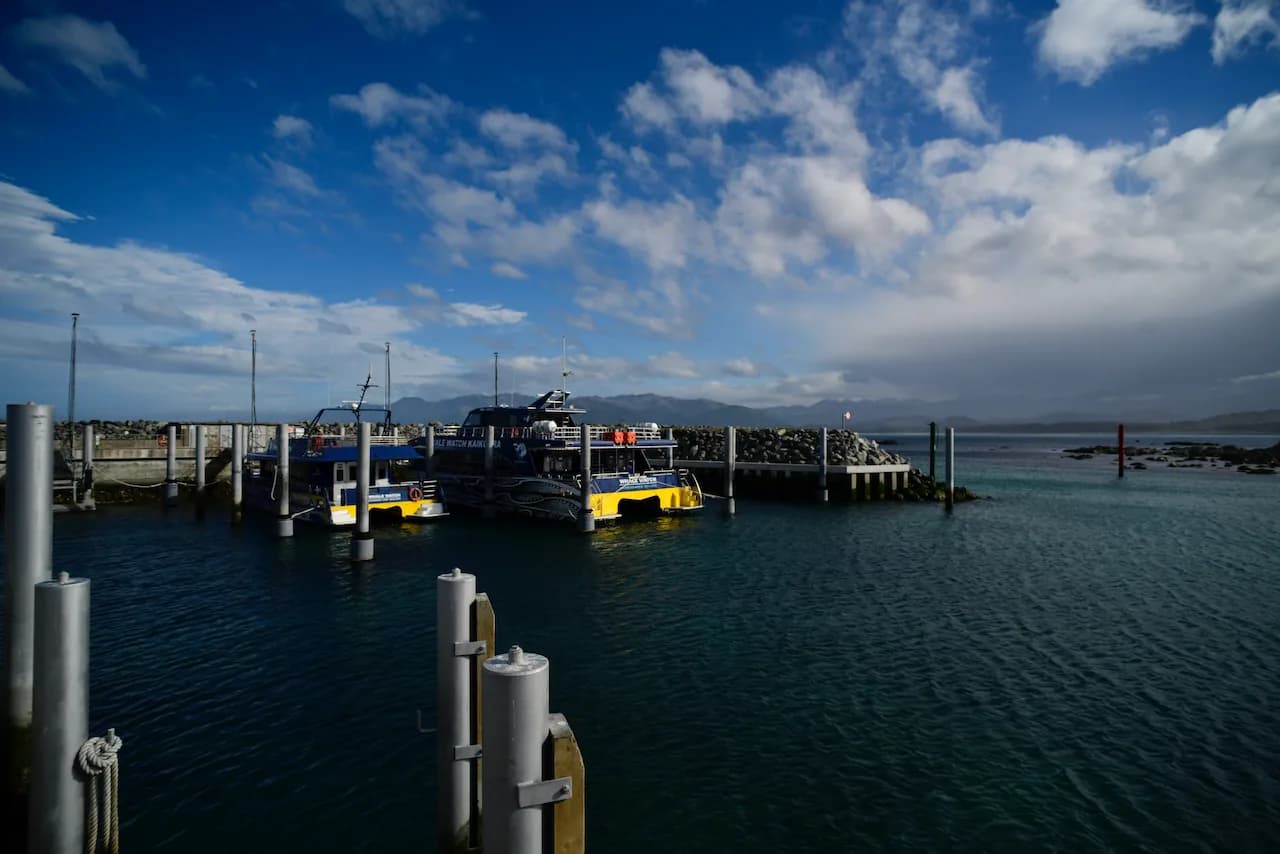
Rebuilding for the future
Kaikōura District CouncilThe harbour at Kaikōura can't support the aspirations of the tourism or marine research sectors, so we developed a business case for re-investment.
View case study
Northport: Dry dock business case
Ministry of TransportBuilding the case for investment in the essential infrastructure for our maritime future.
View case study