
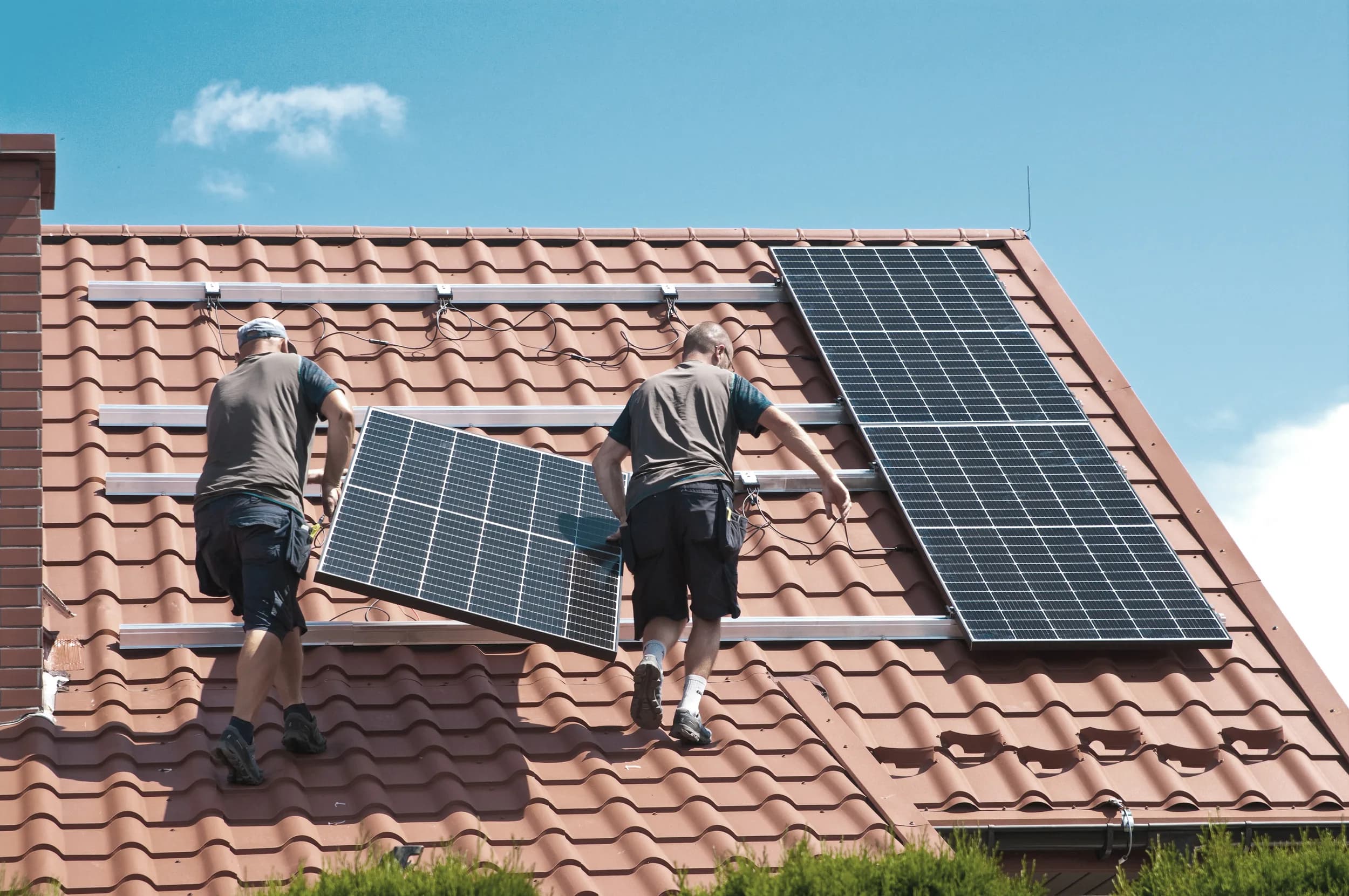
Energy mana motuhake: the Tairāwhiti Distributed Energy Programme
We developed the feasibility study for implementing a community-level distributed energy programme
Tairāwhiti has some of the highest electricity prices in the country, matched to some of the lowest incomes – and there's a pressing need for more affordable power for whānau and businesses alike.
The need for a better approach was identified as part of the Takiri Ko Te Ata regional economic action plan, and so a feasibility study was commissioned by iwi coordination body Toitū Tairāwhiti to assess the engineering and financial options – with a view to developing a pragmatic and implementable programme.
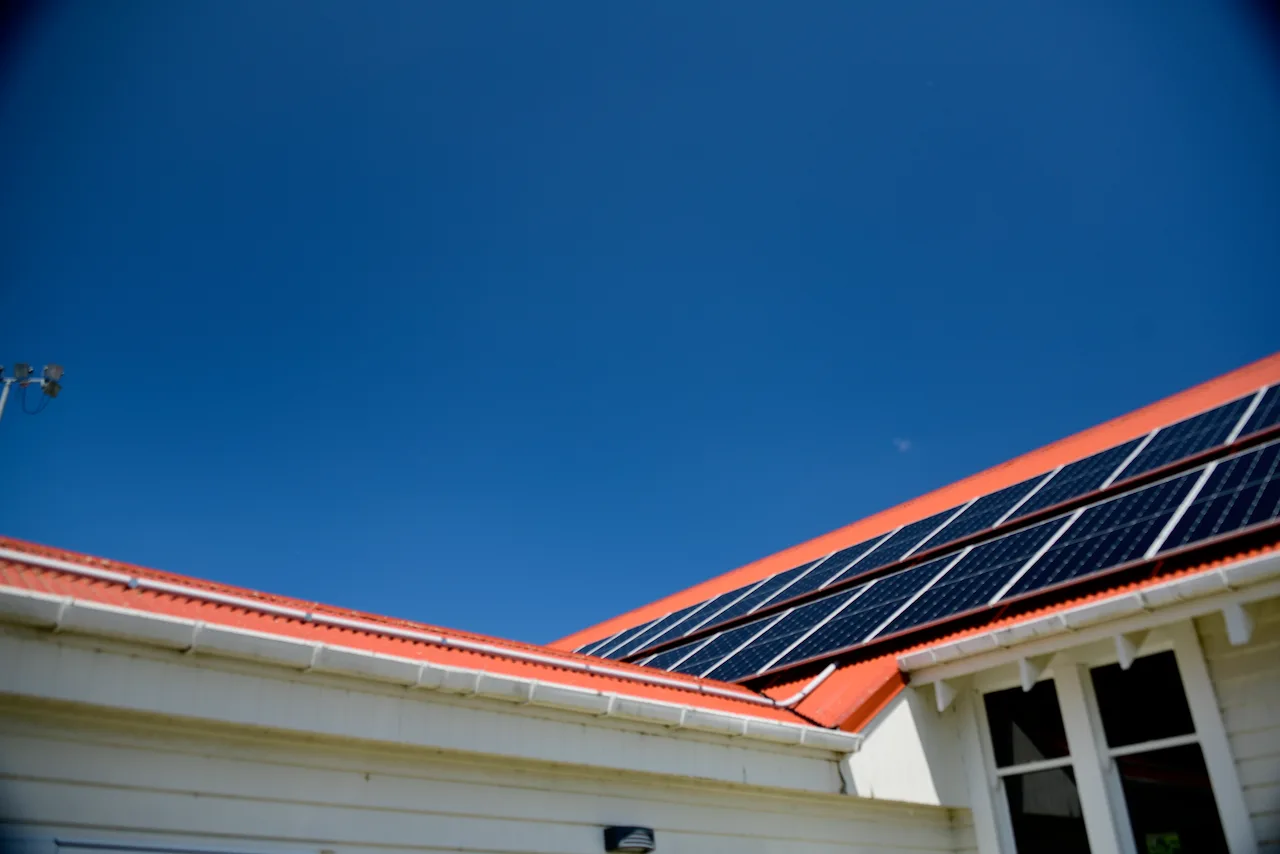
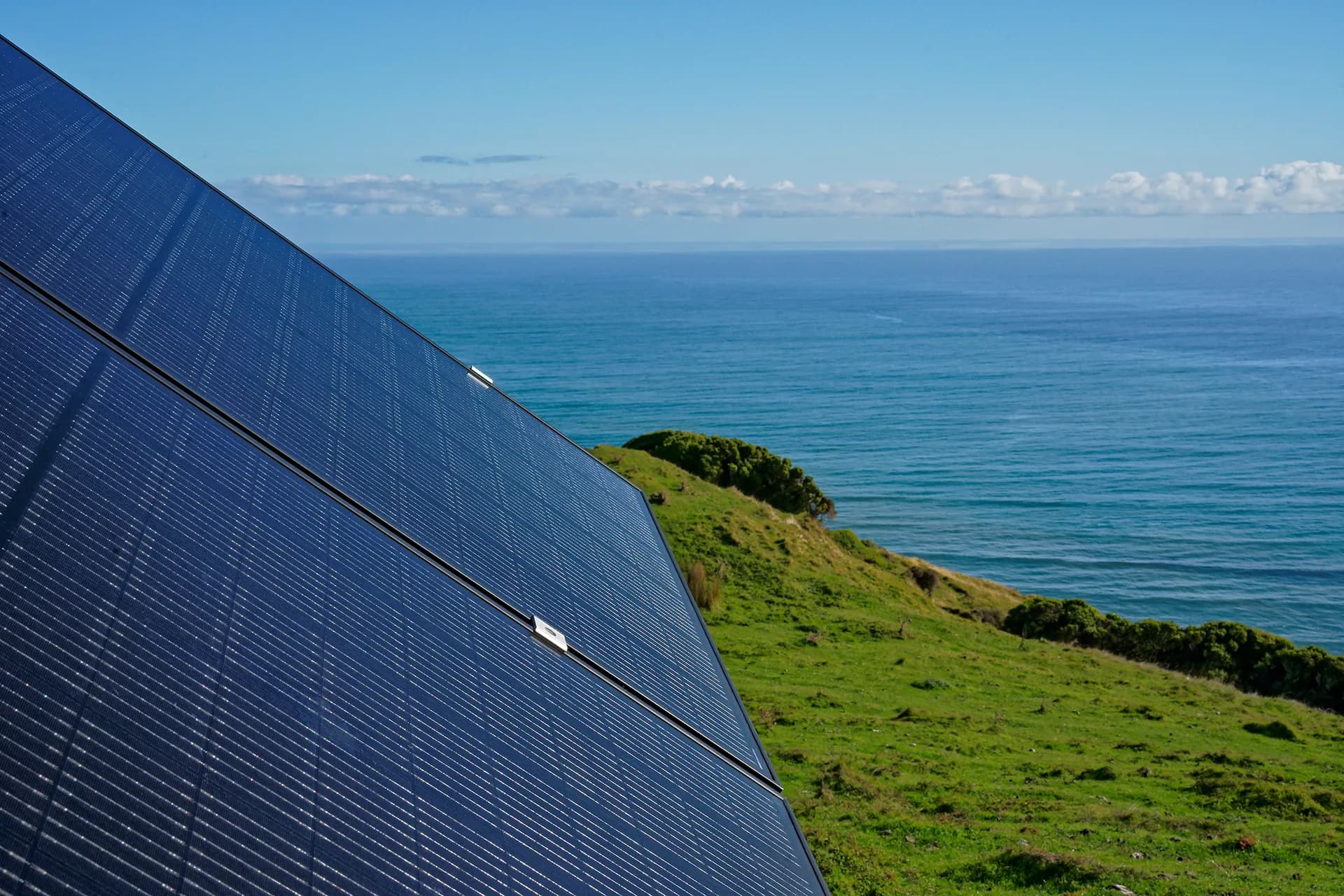
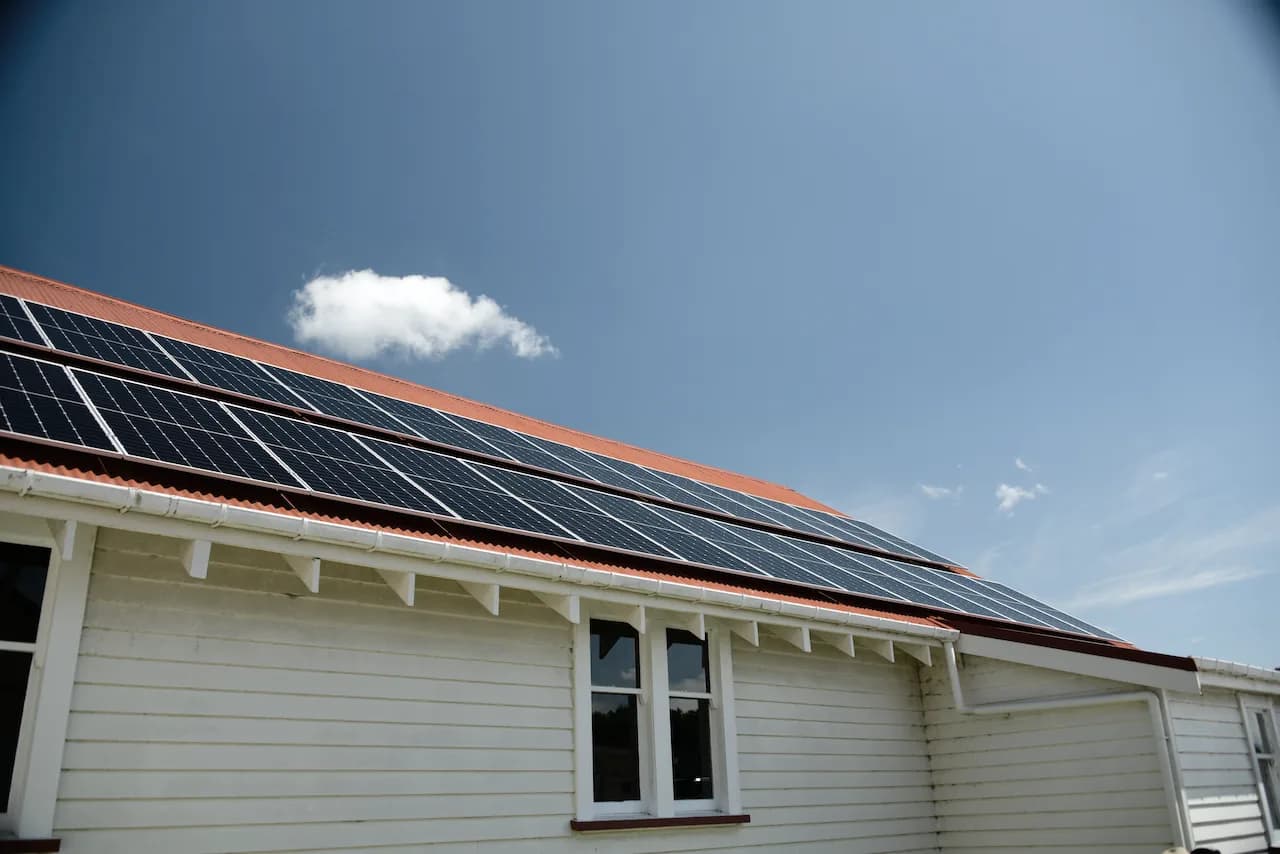
We worked alongside national engineering consultancy Tonkin+Taylor to assess the options and approaches, converging on community-owned solar PV and battery technology, scaled for the Tairāwhiti community.
In contrast to most solar implementations, the programme is designed from the outset to be community-owned and community scaled. This means that electricity is shared between community members on a peer-to-peer basis, bypassing the expensive and inefficient electricity gentailers, in order to deliver power prices that are around 33% lower than current retail.
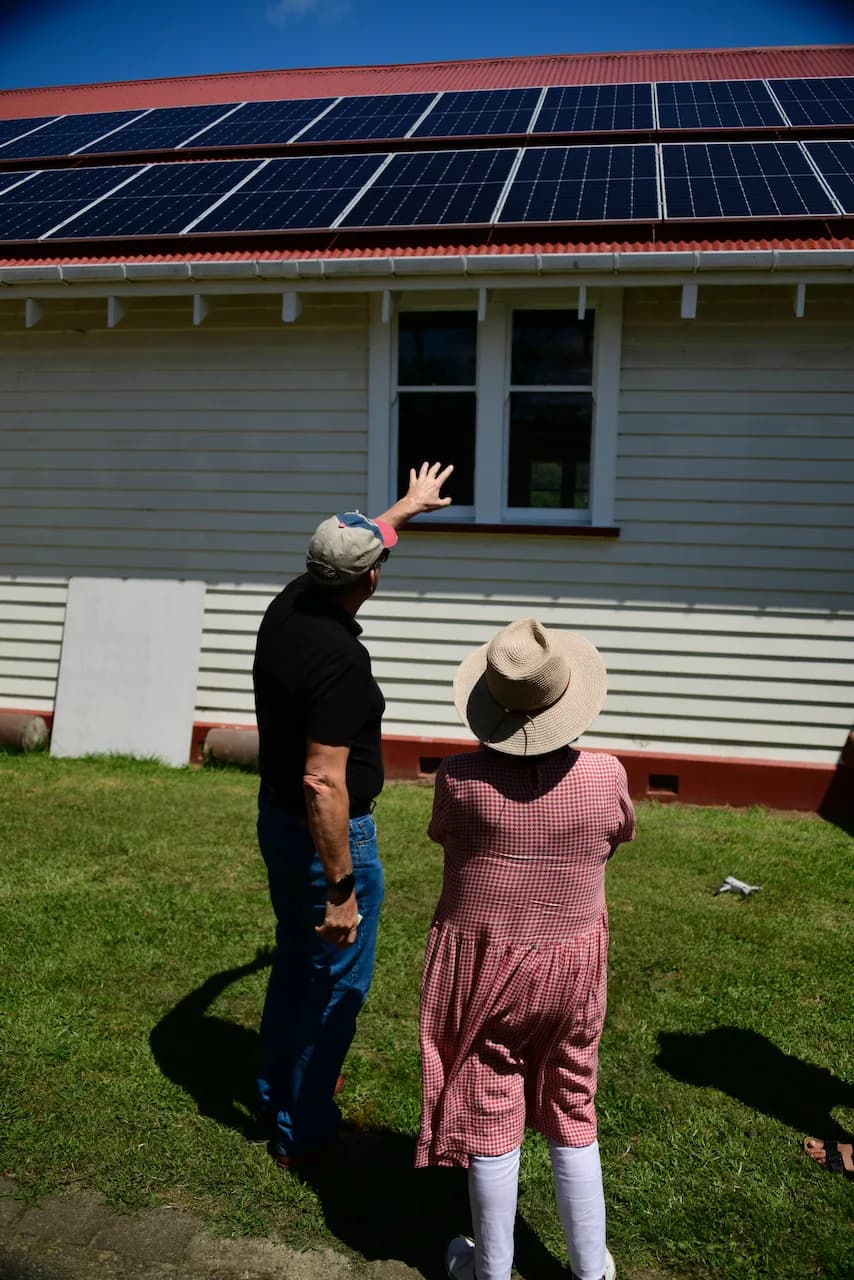
High power prices are a problem experienced by everyone in Tairāwhiti, so understanding the issue and how it affects every aspect of life took much kōrero. Further workshopping and hui led to a distributed energy design that is robust and scalable.
Alongside the community and technical analysis, we developed a sophisticated financial model that shows how the programme can be self-sustaining from a funding perspective and financially viable for whānau and investors alike. We then developed a clear, easy-to-understand Feasibility Study to help communicate the complex technology and business model.
The Feasibility Study was developed over a 9 month period in 2024 and was approved by Toitū Tairāwhiti in early 2025. Following this a new company – Distributed Energy Aotearoa – was formed to manage the project, and work has commenced on a pilot for 18 iwi-owned homes in conjunction with EECA.
More from this sector
All projects
Funding review for flood protection
Waikato Regional CouncilFlood protection is becoming more important in a climate-changing world, and we need to fund it equitably.
View case study
Before the Deluge
Te Uru KahikaWe made the case for co-investment between central and regional government to protect communities and businesses from catastrophic flooding.
View case study
The case for a harbour at Ōpoōtiki
Ōpōtiki District CouncilWe developed the detailed business case for construction of a harbour to support the aquaculture sector in the Eastern Bay of Plenty
View case study