
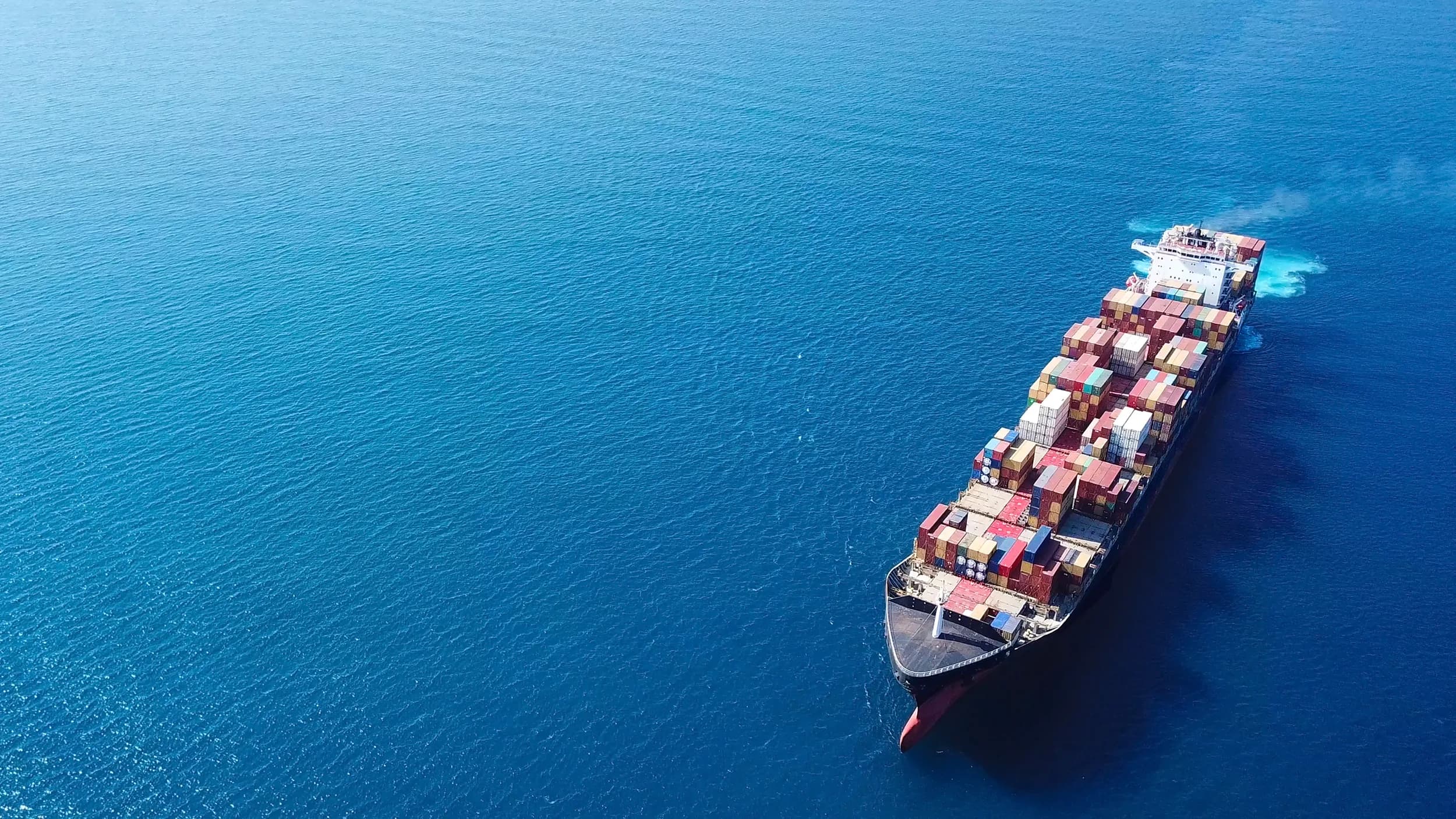
Northport: Dry dock business case
Building the case for investment in the essential infrastructure for our maritime future.
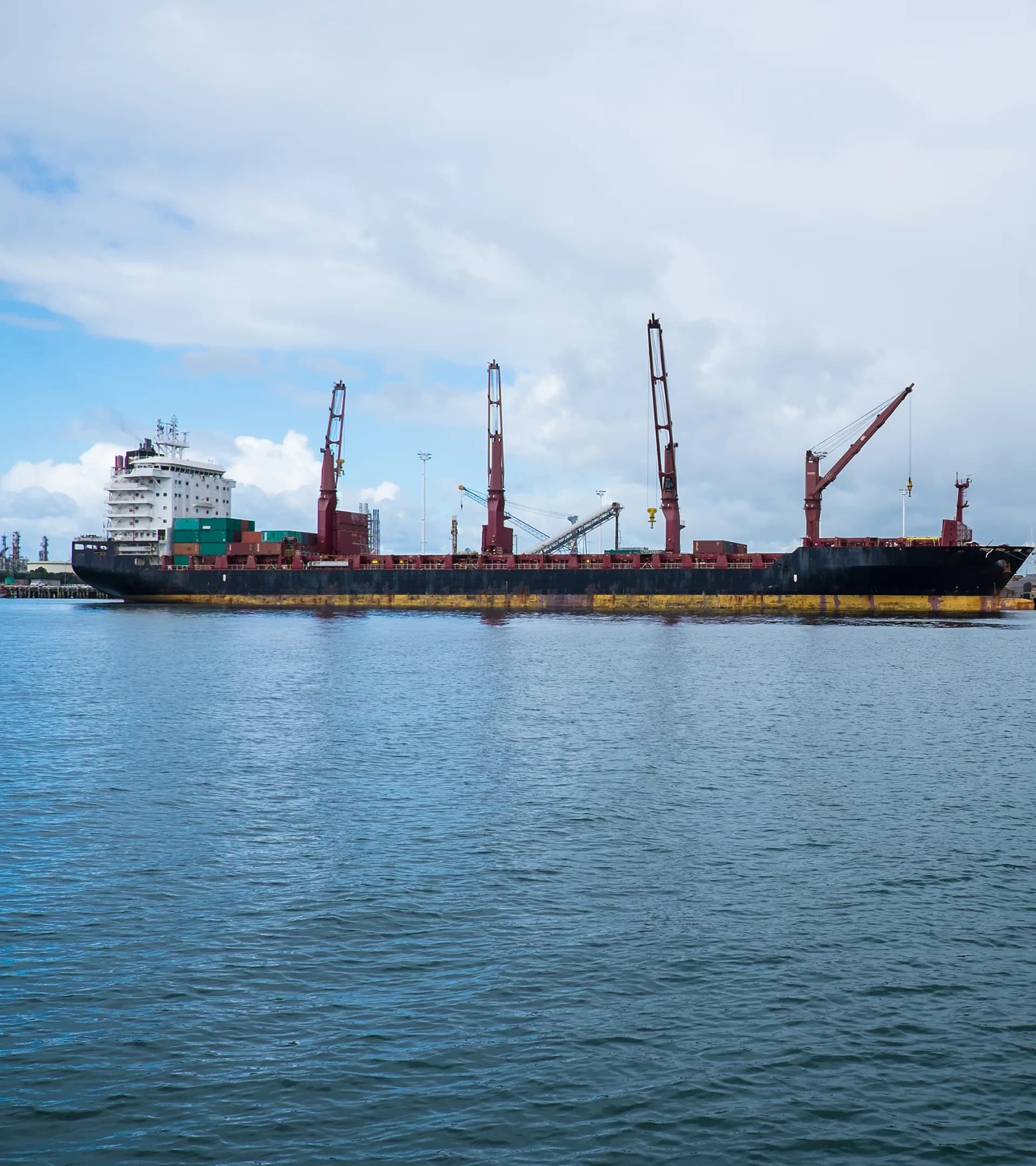
We lack the ability to service our own maritime fleet.
Maritime regulations require that all ships are periodically inspected and serviced, and that requires a suitably sized dry dock – which Aotearoa New Zealand currently lacks.
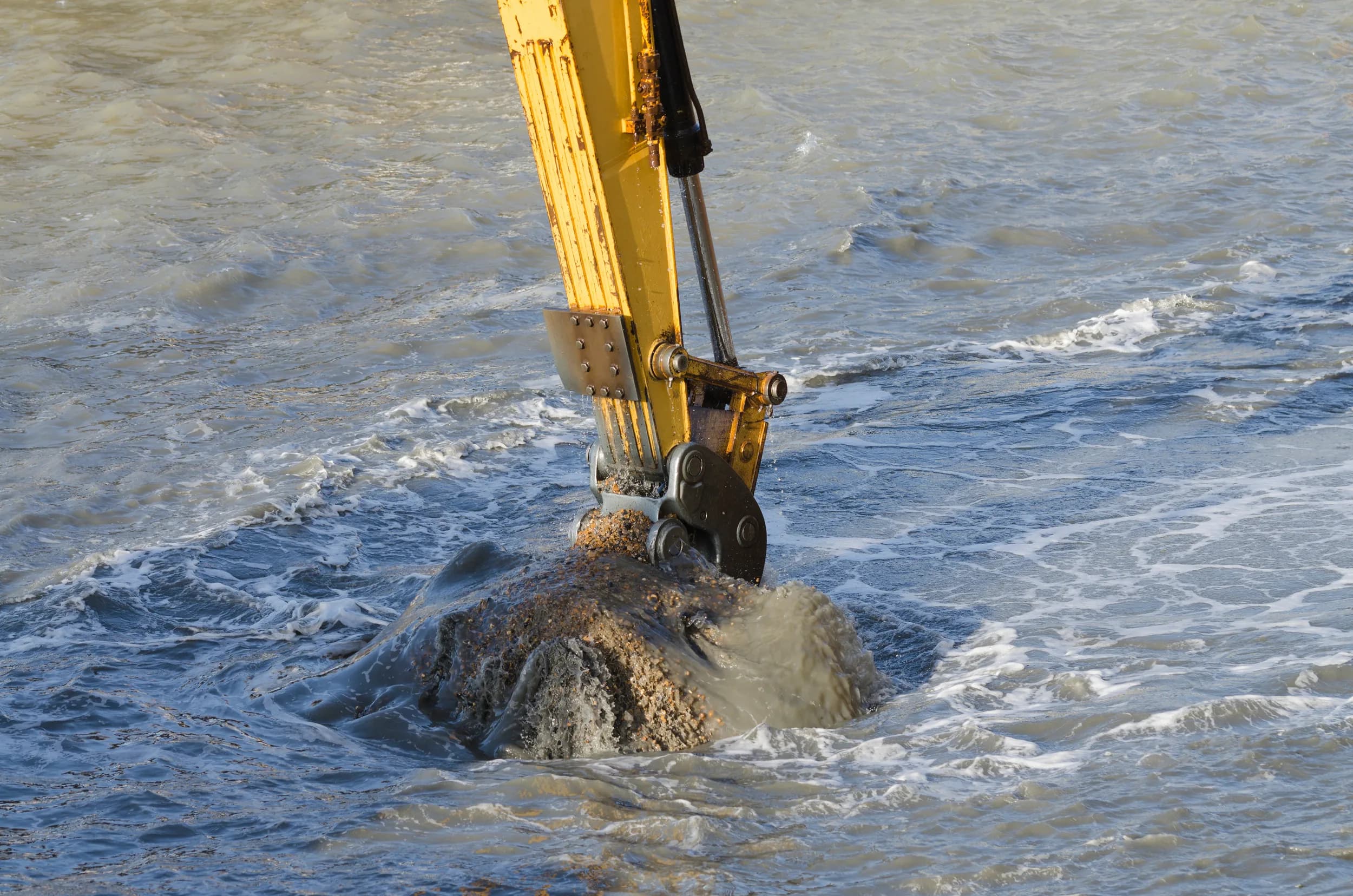
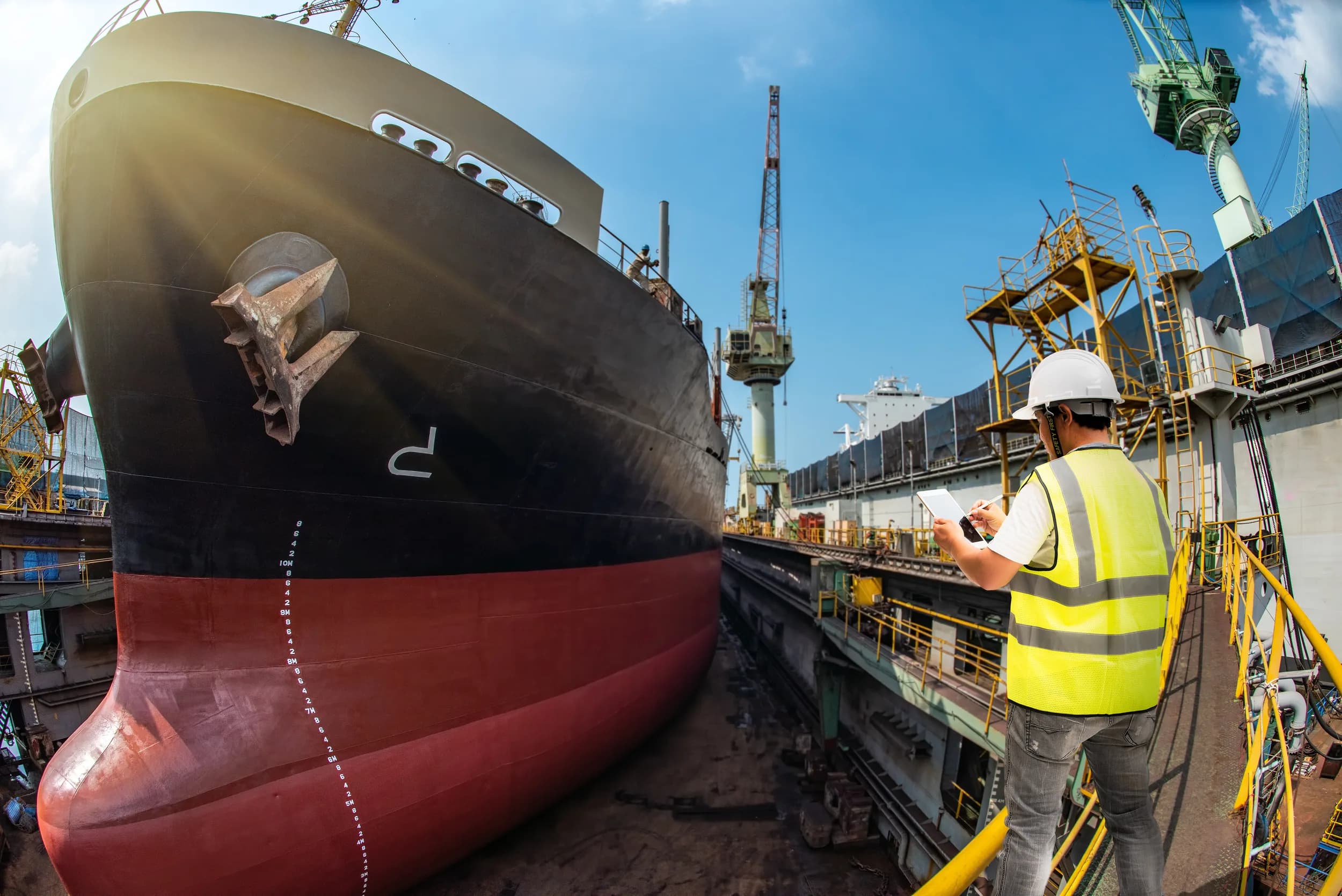
We supplied the specialist skills.
We were asked by the lead consultants to lead the analysis and development of the business case for the proposed dry dock, pulling together earlier work to explore options and approaches for a dry dock at Northport near Whangārei.
Consultation with iwi was a key component.
In addition to conducting the analysis and developing the case for investment, we facilitated and led engagement with hapū over what is a historically and currently sensitive site for the dry dock, successfully developing a roadmap for how the initiative might proceed.
We made the strategic case.
A dry dock isn't just a piece of infrastructure – it's an essential component in our maritime and economic capabilities, necessary to support everything from the Interisland ferries to our naval vessels. The business case document made the case that the strategic benefits far outweigh the financial costs.
We worked collaboratively with a wide range of stakeholders.
From local hapū to national policy strategists, from port operators to the Defence Force, a wide multitude of stakeholders provided input into the business case for the dry dock.
The engineering options and issues are complex, and the financial implications are significant. So we pulled together the knowledge and insights of national consulting and engineering companies, central government agencies and local authorities, and the local wisdom of hapū to deliver a readable and compelling business case.
While the strategic importance of the dry dock is clear, the pathway forward remains complex, and the project will never have a simplistic cost-benefit payback – but our document provides the foundation for future governments to make a considered and well-informed decision about our national strategic capabilities.
More from this sector
All projects
Strengthening New Zealand’s maritime security system
Ministry of TransportAotearoa was facing a rapidly evolving maritime security environment, requiring a coordinated, future-focused response across government to protect its borders, resources and regional interests.
View case study
The case for a harbour at Ōpoōtiki
Ōpōtiki District CouncilWe developed the detailed business case for construction of a harbour to support the aquaculture sector in the Eastern Bay of Plenty
View case study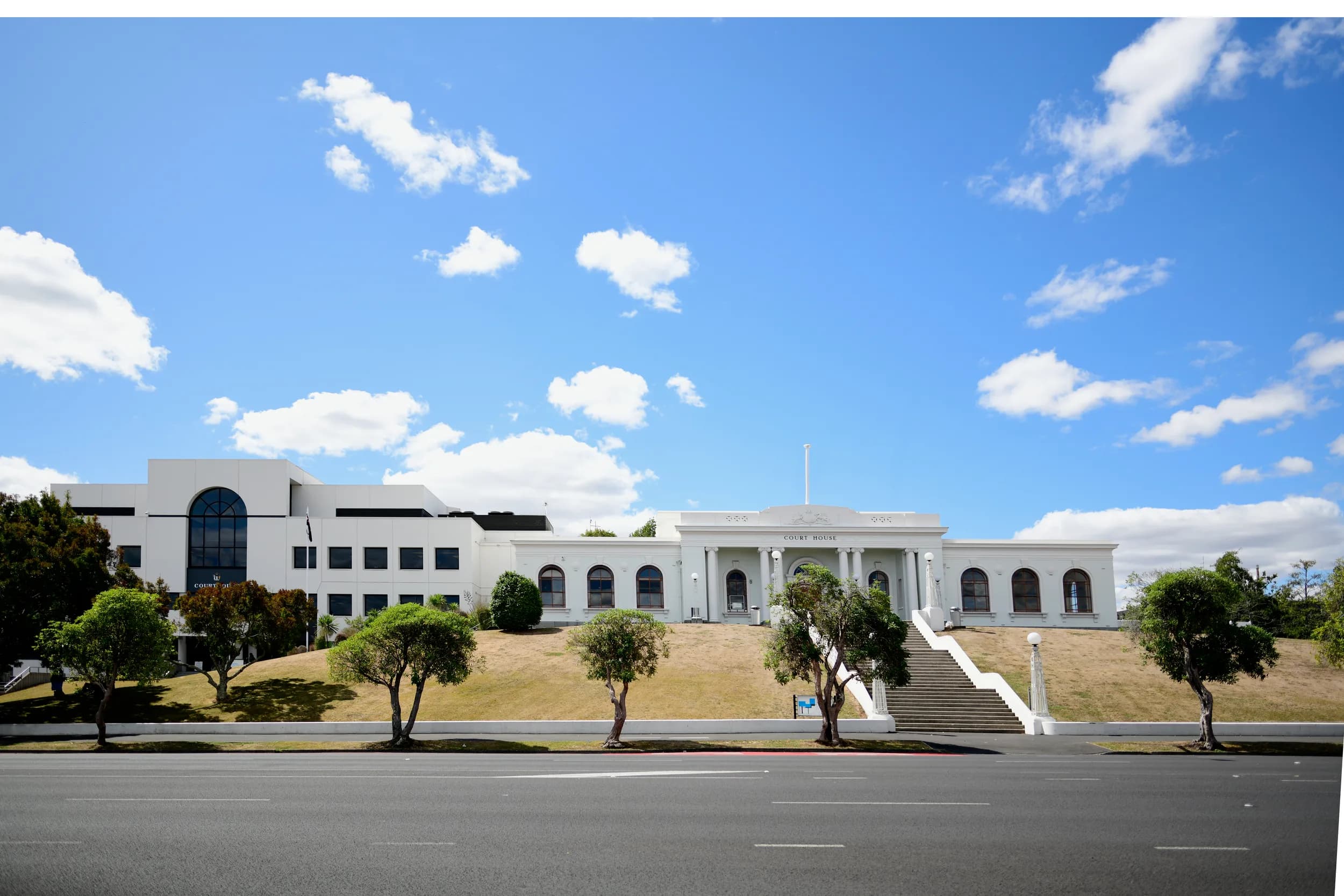
Modernising New Zealand’s court facilities
Ministry of JusticeThe Ministry of Justice sought to improve the functionality, safety and long-term performance of New Zealand’s court network to better meet growing operational demands and the needs of court users.
View case study