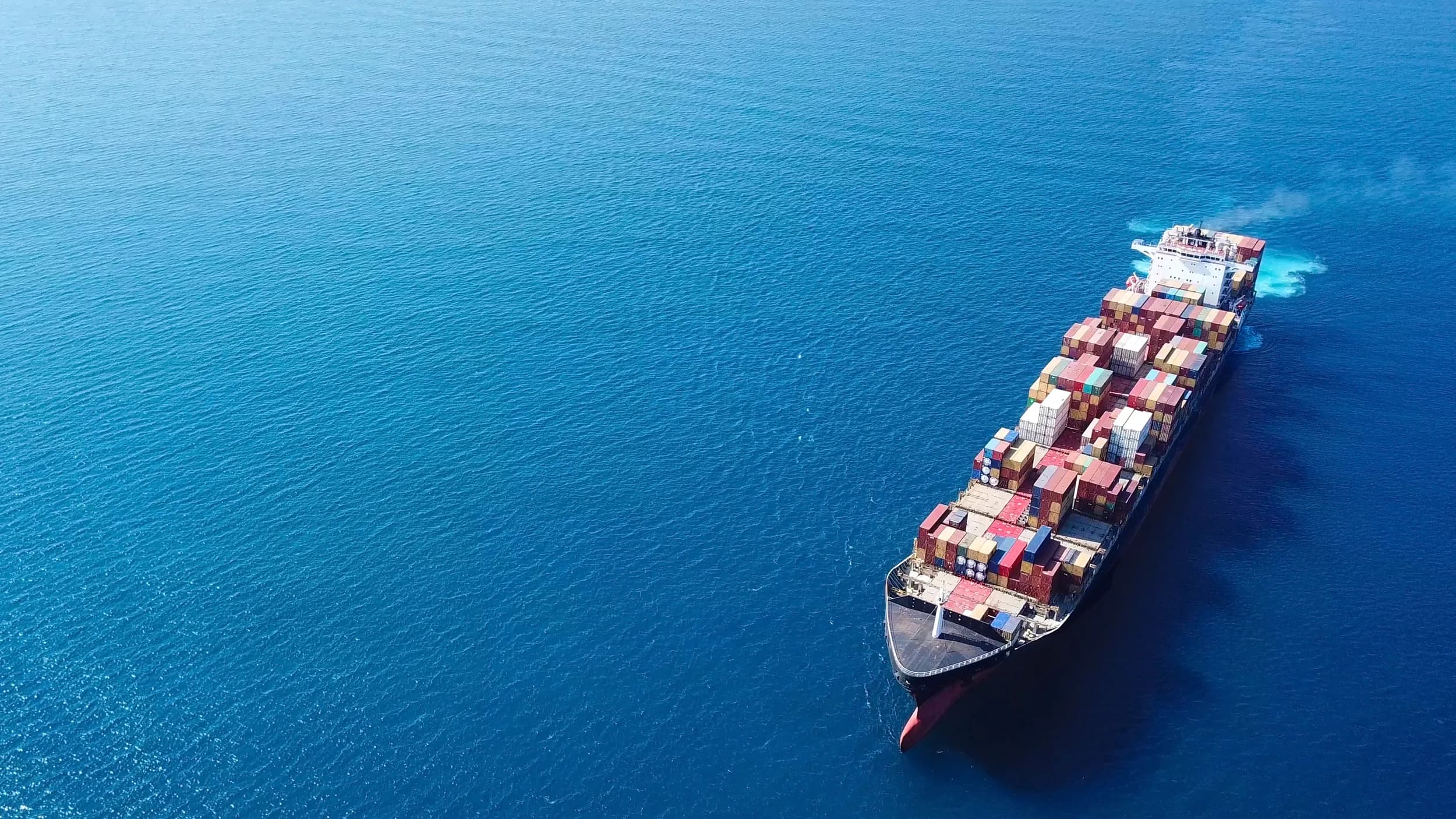
Strengthening New Zealand’s maritime security system
Aotearoa was facing a rapidly evolving maritime security environment, requiring a coordinated, future-focused response across government to protect its borders, resources and regional interests.
New Zealand’s maritime security system was operating in an increasingly complex and high-pressure environment.
The maritime domain was under increasing pressure from a combination of escalating illicit activity, growing geopolitical complexity, and the impacts of climate change.
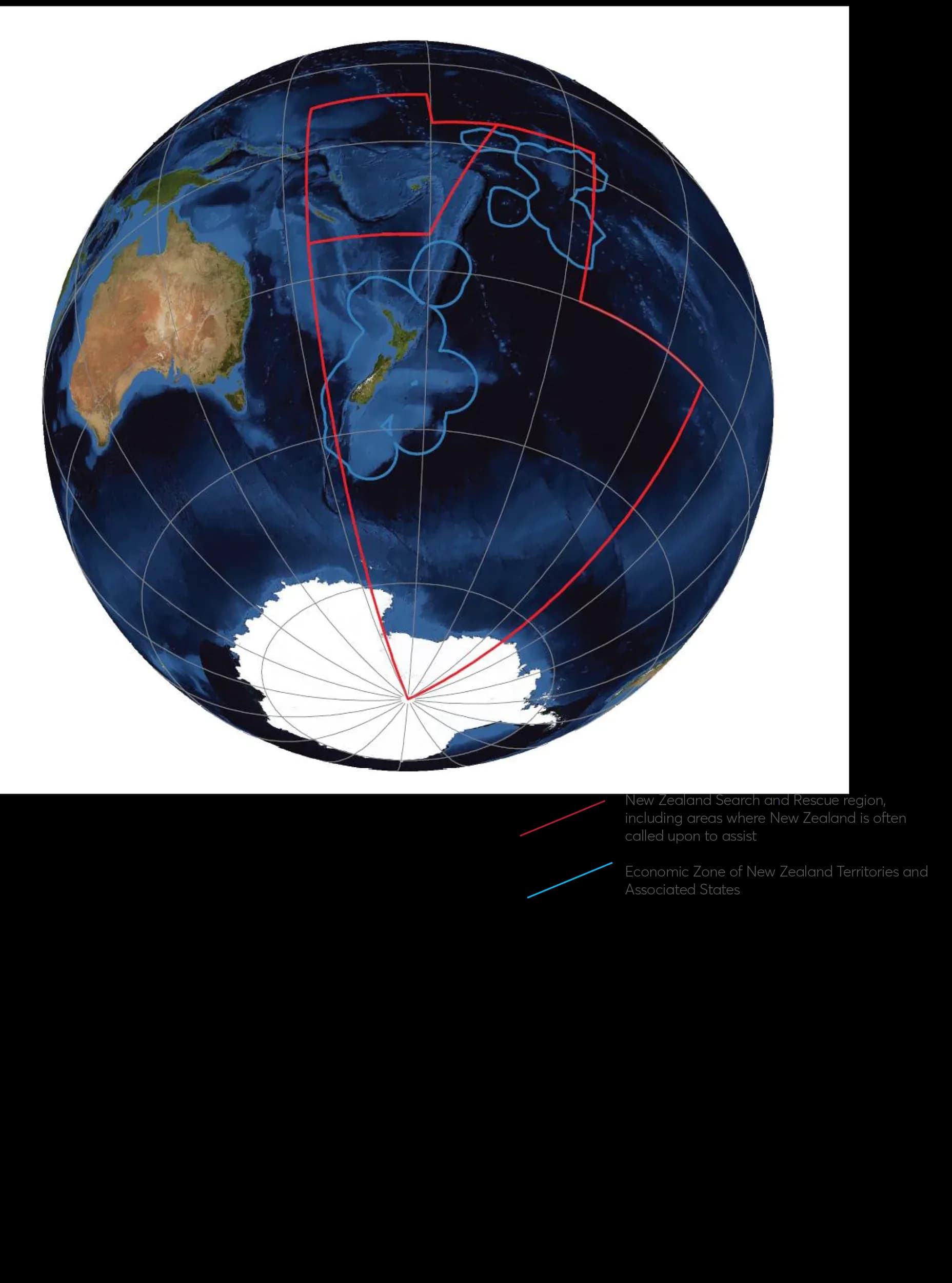
Threats such as seaborne drug importation were placing greater strain on border protection and enforcement capability, while expectations for New Zealand to play a stronger role in the South Pacific and Southern Ocean continued to grow.
At the same time, maritime security responsibilities were distributed across multiple agencies, creating a need for stronger coordination, clearer prioritisation, and more integrated decision-making to effectively manage risk and respond to emerging challenges.

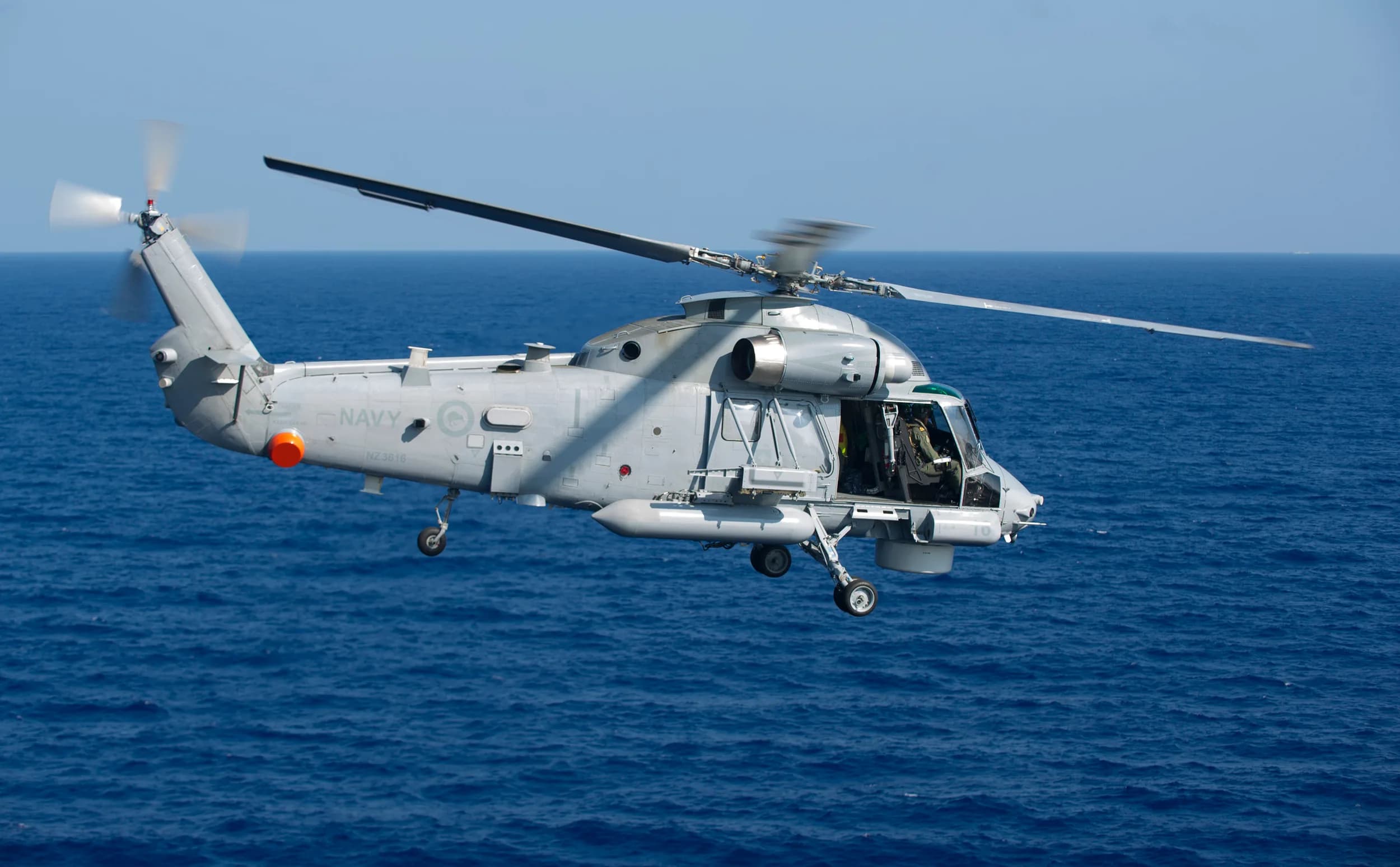
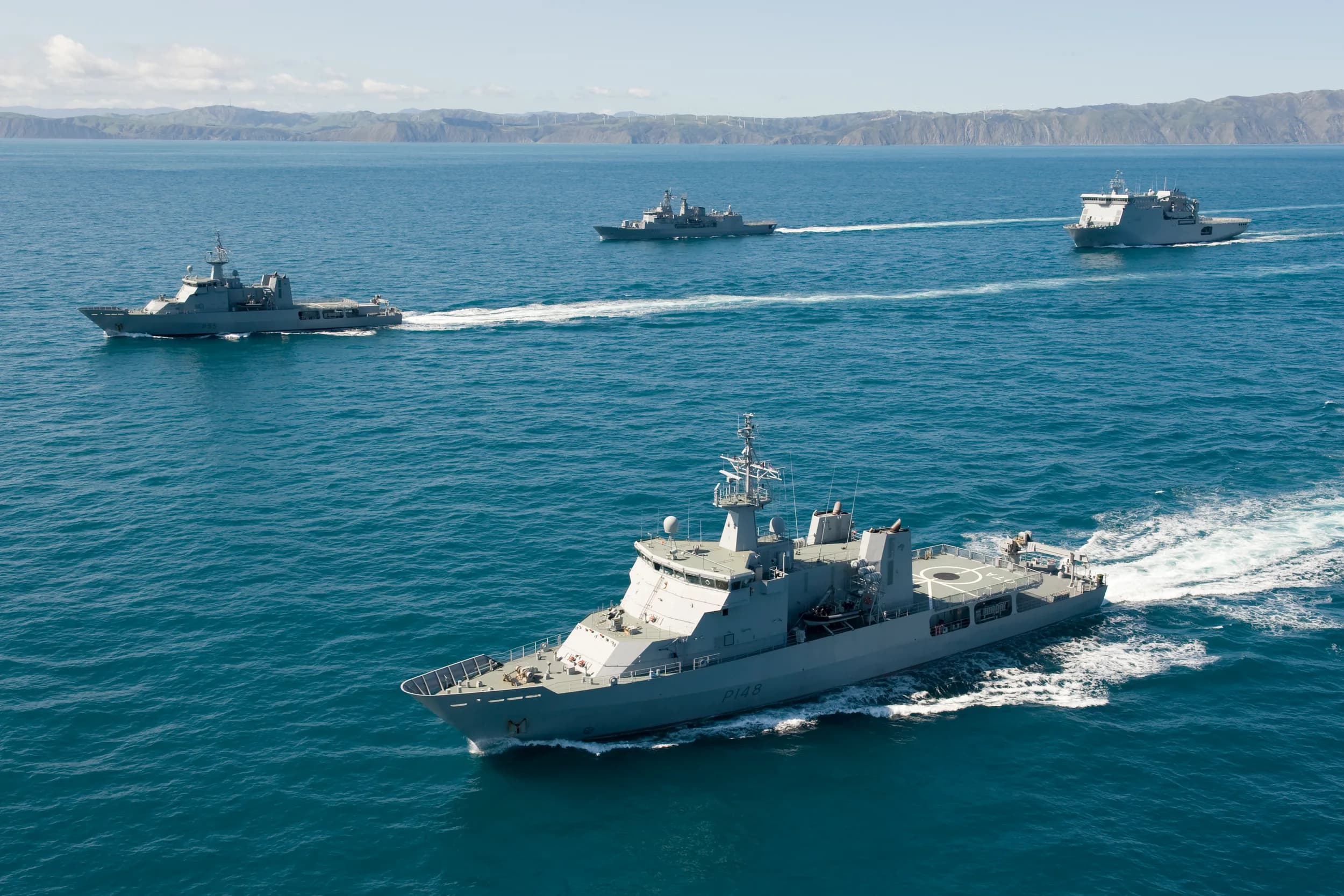
Our process involved delivering two foundational documents: a business case that provides the rationale for investment, and an operating model that provides a roadmap for achieving the outcomes.
The work focused on building on the existing strategy to clarify the problem definition, test potential policy and operational scenarios, and identify a preferred approach for delivery. A series of workshops was used to validate scope, assess options and refine the emerging solution with governance stakeholders.
The approach also incorporated detailed analysis of costs, benefits and financial implications, alongside development of an operating model and implementation pathway. The final business case was integrated into the Budget bid process to support informed investment decisions.
We used a staged, workshop-led process to progressively develop, test and refine the business case in collaboration with key stakeholders across the maritime security system.
The process began by confirming the problem definition and intended outcomes through structured workshops with governance groups. We then developed and tested a range of policy and operational scenarios to identify a preferred option, refining this through iterative engagement and structured playback sessions.
Alongside this, we completed the full Better Business Case, including economic, financial, commercial and management case development. This incorporated cost-benefit analysis, operating model design, implementation planning and organisational considerations.
The final output provided a clear, evidence-based foundation for decision-making and was integrated into the Government’s Budget bid process.
Our work contributed to a more coordinated and integrated approach to maritime security across government
The work supported a strengthened, more coordinated approach to maritime security across government, underpinned by an updated strategy and governance arrangements through the Maritime Security Oversight Committee.
It helped formalise how agencies work together across policy, intelligence and operational functions, enabling a more integrated and risk-based approach to maritime domain awareness and security planning. This has improved cross-agency alignment and supported more consistent decision-making across border protection, enforcement and wider national security priorities.
More from this sector
All projects
Northport: Dry dock business case
Ministry of TransportBuilding the case for investment in the essential infrastructure for our maritime future.
View case study
Biosecurity and prosperity: the Plant Health Environment Lab
Ministry for Primary IndustriesMPI's lab is a vital component in our national biosecurity and our economic prosperity.
View case study